
Introduction
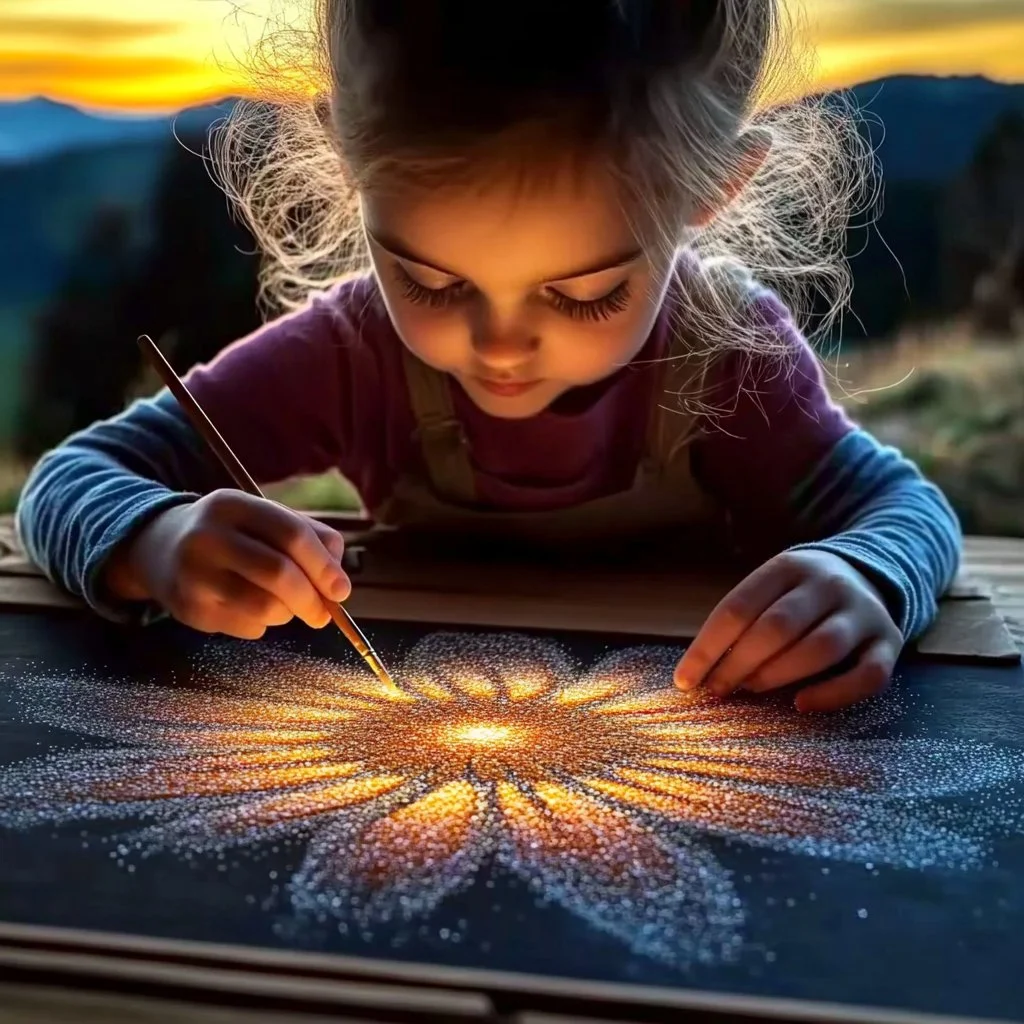
Salt painting is a delightful and versatile art activity that combines creativity with sensory exploration. It’s not just for kids; artists of all ages can enjoy the fun of creating colorful designs with salt and watercolor. This craft engages multiple senses — the texture of salt, the sound of pouring it, the vibrant colors of watercolor, and the anticipation of seeing the colors spread and blend. Whether you’re looking for a quiet afternoon project or an exciting art lesson, salt painting checks all the boxes. From simple shapes to intricate designs, this technique encourages artistic experimentation and offers a satisfying outcome. Plus, it’s a budget-friendly craft that makes use of common household materials. Let’s dive into why you’ll love this craft recipe!
Why You’ll Love This Salt Painting:
- Easy for all ages: Suitable for children and adults alike, it’s accessible and enjoyable.
- Sensory experience: The tactile nature of the salt and vibrant paint creates a rich sensory experience.
- Customizable: The technique can be adapted for different skill levels and styles.
- Low-cost materials: Often made with items you already have at home, making it budget-friendly.
- Educational aspect: Great for teaching about color mixing and basic art techniques.
- Satisfying process: Watching the watercolor spread across the salt is visually rewarding.
Materials:
- White glue (preferably school glue)
- Salt (table salt works fine)
- Watercolor paints or liquid watercolors
- A piece of thick paper or cardstock
- Small container for water
- Paintbrush
- Tray or newspaper to catch extra salt
Full Step-by-Step:
Preparing Your Canvas
-
Create Your Design:
- Use the glue to draw shapes or patterns on the thick paper. Think about simple outlines such as hearts, stars, or flowers.
- Feel the smoothness of the glue as it glides from the bottle.
-
Sprinkle Salt:
- Immediately sprinkle salt over the wet glue, covering it completely.
- Watch the salt cling to the glue, creating a sparkling layer.
-
Shake Off Excess:
- Gently shake the paper to remove excess salt.
- Listen to the soft sound of salt skittering off the paper.
Painting Your Design
-
Mix Watercolors:
- In a small container, mix your watercolor paints with a bit of water to create a vibrant wash.
-
Add Color:
- Use the paintbrush to apply watercolors to the salt-covered design. Watch how the color spreads and seeps into the salt.
- Feel the brush glide through the colors as they bloom.
-
Drying Time:
- Allow your artwork to dry completely. This step will enhance the texture and vibrant look.
Tips & Variations:
- Customize with Colors: Swap out traditional watercolors for food coloring or even natural dyes from fruits and vegetables for unique hues.
- Use Different Salt Types: Experiment with different types of salt, like coarse sea salt or colored salt, for varied textures and effects.
- Add Glitter: Mix some glitter into the salt for an extra shimmering effect.
Frequently Asked Questions:
1. Can I use regular paper instead of cardstock?
- Regular paper may not hold the water and salt as well, which can lead to warping. Cardstock is recommended for best results.
2. What if I don’t have watercolor paints?
- You can use food coloring diluted in water as a substitute for paint. Just mix to the desired intensity.
3. How can I store leftover salt paintings?
- Keep your finished paintings in a cool, dry place. Avoid stacking them to prevent smudging.
4. Is this activity messy?
- While it can be messy, covering your workspace with a tray or newspaper will help manage spills.
Suggestions:
- Create a themed series of salt paintings, such as nature scenes or abstract patterns.
- Use this technique to create homemade greeting cards or unique wall art for your home.
- Consider hosting a salt painting party for friends or family to explore creativity together!
Final Thoughts
Salt painting is a joyful way to unleash your creativity and delve into the world of arts and crafts. Whether you’re making it a solo endeavor or sharing the experience with others, the process is sure to provide fun and satisfaction. We encourage you to try this craft, customize it to your liking, and share your versions with us! Feel free to leave a comment below with your thoughts or any questions you may have!
Print
Salt Painting Craft
- Total Time: 15 minutes
- Yield: 1 artwork
- Diet: N/A
Description
A delightful and versatile art activity that combines creativity with sensory exploration, perfect for artists of all ages.
Ingredients
- White glue (preferably school glue)
- Salt (table salt works fine)
- Watercolor paints or liquid watercolors
- A piece of thick paper or cardstock
- Small container for water
- Paintbrush
- Tray or newspaper to catch extra salt
Instructions
- Create your design by drawing shapes or patterns with glue on the thick paper.
- Immediately sprinkle salt over the wet glue, covering it completely.
- Gently shake the paper to remove excess salt.
- In a small container, mix your watercolor paints with a bit of water to create a vibrant wash.
- Using a paintbrush, apply watercolors to the salt-covered design and watch the color spread and seep into the salt.
- Allow your artwork to dry completely for an enhanced texture and vibrant look.
Notes
Customize with different colors, types of salt, or add glitter for extra effects. Best results are achieved when using cardstock.
- Prep Time: 15 minutes
- Cook Time: 0 minutes
- Category: Crafts
- Method: Art
- Cuisine: N/A
Nutrition
- Serving Size: 1 artwork
- Calories: 0
- Sugar: 0g
- Sodium: 0mg
- Fat: 0g
- Saturated Fat: 0g
- Unsaturated Fat: 0g
- Trans Fat: 0g
- Carbohydrates: 0g
- Fiber: 0g
- Protein: 0g
- Cholesterol: 0mg