
Introduction
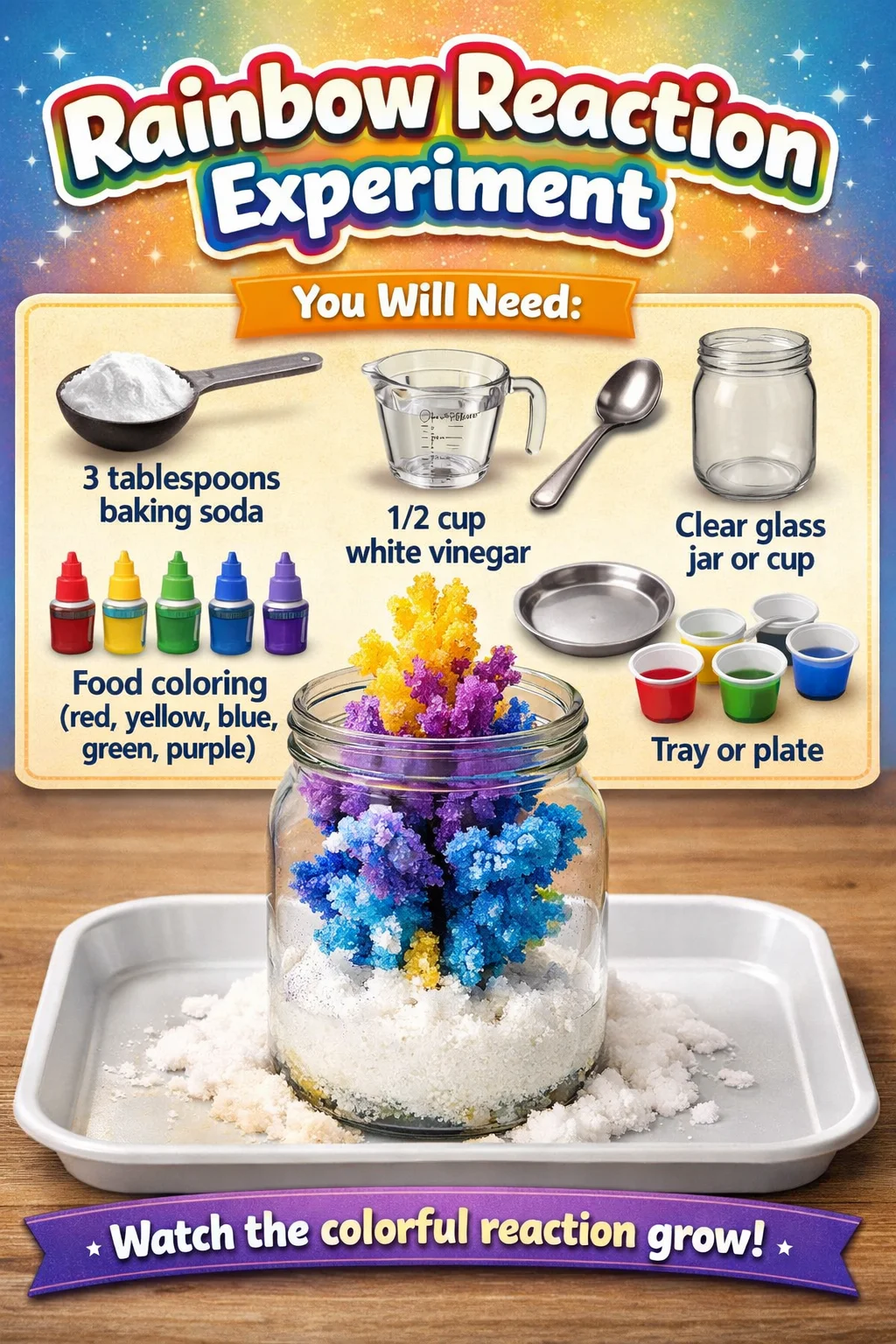
Are you ready to embark on a colorful adventure? The Rainbow Reaction Experiment is not only a fascinating scientific discovery but also an engaging and visually stunning craft that will delight both kids and adults alike. Using simple materials, you can create vibrant, swirling colors that emulate a rainbow, all while teaching foundational concepts in chemistry. The mesmerizing reactions and the beautiful end results make it an excellent project for classrooms, parties, or family fun at home. Whether you’re a seasoned science enthusiast or a curious beginner, this hands-on activity is guaranteed to awe and inspire creativity. Let’s dive into why you’ll love this craft recipe!
Why You’ll Love This Rainbow Reaction Experiment:
- Fun and Educational: A perfect blend of art and science!
- Visually Stunning: Experience beautiful color mixing and swirling patterns.
- Easy to Set Up: Requires common household materials and minimal preparation.
- Interactive: Engages children and encourages curiosity about chemical reactions.
- Endless Variations: Customize the experiment with different colors and materials.
Materials:
- Baking soda
- White vinegar
- Food coloring (various colors)
- Clear plastic cups or small bowls
- A tray or a large plate (to catch spills)
- Spoon or stirring stick
- Pipette or dropper (optional)
Full Step-by-Step:
Step 1: Preparing Your Workspace
- Gather all your materials and set them up on a tray to keep things tidy.
- Ensure you have enough space for experimenting and mixing.
Step 2: Create Your Base
- In each plastic cup or bowl, add a few tablespoons of baking soda. This will be the base for your rainbow reaction.
Step 3: Add Color
- Use a pipette or dropper to squeeze a few drops of food coloring into each cup. Aim for a variety of colors like red, blue, green, and yellow.
Step 4: The Magic Moment
- Slowly pour white vinegar into each cup with baking soda. Watch closely! Observe the fizzing reaction as the ingredients mingle, creating vibrant colors swirling together.
Step 5: Experiment Further
- You can mix colors, try different quantities of baking soda or vinegar, or observe how the reactions differ based on the amount used.
Tips & Variations:
- Customize Colors: Use gel food coloring for more vibrant hues.
- Swap Materials: Experiment with different liquids like lemon juice or club soda instead of vinegar for varied reactions.
- Add Glitter: For a magical touch, sprinkle some edible glitter into the mixture before adding vinegar.
Frequently Asked Questions:
Q1: Is this experiment safe for young children?
A1: Yes, both baking soda and vinegar are safe household items. However, adult supervision is recommended for very young children.
Q2: What should I do if I don’t have food coloring?
A2: You can use natural dyes like beet juice or turmeric for added color.
Q3: Can I use larger containers?
A3: Absolutely! Just ensure you have enough space for the reaction to occur without spilling.
Q4: How do I clean up after the experiment?
A4: Simply rinse the materials with water. The reaction is safe to flush down the sink.
Suggestions:
- Combine this activity with a lesson on pH levels and acidity.
- For an added sensory experience, try adding essential oils to each cup and discussing the different scents.
- Document your findings in a science journal to track colors and reactions.
Final Thoughts
The Rainbow Reaction Experiment is a delightful way to blend art and science while sparking creativity and curiosity. We encourage you to share your variations or leave a comment below on how your experiment turned out. What colors did you create? How did your children react to the fun and fizz? Happy experimenting!
Print
Rainbow Reaction Experiment
- Total Time: 15 minutes
- Yield: Varies based on number of cups used
- Diet: N/A
Description
A fun and educational craft that demonstrates colorful chemical reactions using simple household materials.
Ingredients
- Baking soda
- White vinegar
- Food coloring (various colors)
- Clear plastic cups or small bowls
- A tray or a large plate (to catch spills)
- Spoon or stirring stick
- Pipette or dropper (optional)
Instructions
- Gather all your materials and set them up on a tray to keep things tidy.
- In each plastic cup or bowl, add a few tablespoons of baking soda.
- Use a pipette or dropper to squeeze a few drops of food coloring into each cup.
- Slowly pour white vinegar into each cup with baking soda and observe the fizzing reaction.
- Mix colors and try different quantities to observe varying reactions.
Notes
Customize the experiment with gel food coloring for more vibrancy or add glitter for a magical touch.
- Prep Time: 10 minutes
- Cook Time: 5 minutes
- Category: Science Experiment
- Method: Mixing
- Cuisine: N/A
Nutrition
- Serving Size: 1 experiment
- Calories: 50
- Sugar: 0g
- Sodium: 5mg
- Fat: 0g
- Saturated Fat: 0g
- Unsaturated Fat: 0g
- Trans Fat: 0g
- Carbohydrates: 12g
- Fiber: 0g
- Protein: 0g
- Cholesterol: 0mg