
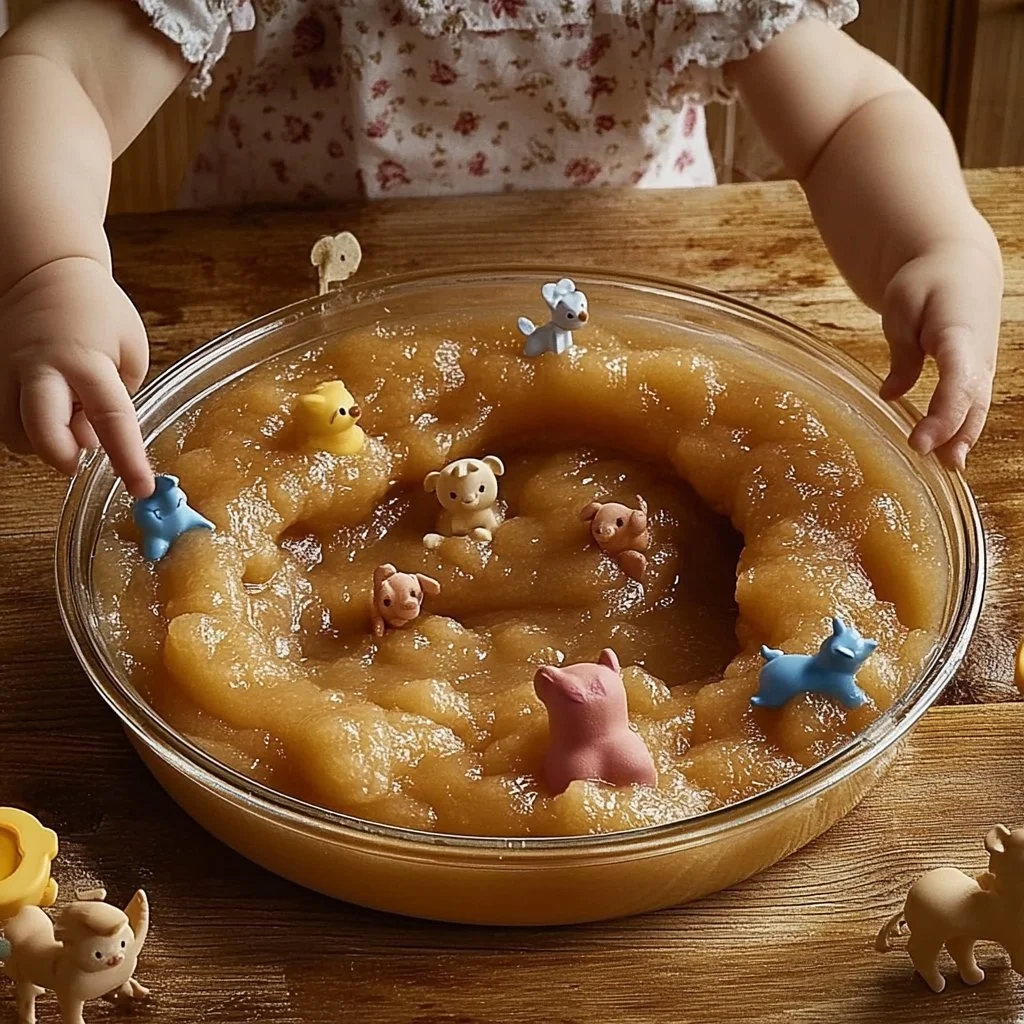
Creating homemade quicksand is a delightful and engaging craft activity that combines creativity with science. This unique substance mimics the fluid dynamics of quicksand, providing a stunning tactile experience that both children and adults can appreciate. Not only is it an excellent sensory tool, but it also introduces basic concepts of viscosity and material properties in an enjoyable way. Homemade quicksand can be used in a variety of play scenarios, from imaginative play to educational settings, making it a versatile addition to your craft repertoire.
Whether you’re looking to entertain your kids on a rainy day, enhance a classroom lesson, or simply enjoy a fun DIY project, this homemade quicksand recipe is a fantastic choice. Plus, it requires minimal materials and is straightforward to make. Let’s dive into why you’ll love this craft!
Why You’ll Love This Homemade Quicksand:
- Sensory Play: Engages the senses, providing a unique tactile experience.
- Easy to Make: Requires easily available materials and minimal prep time.
- Educational: Introduces concepts of fluid dynamics and viscosity in a fun way.
- Customizable: Can be customized with colors, scents, and textures.
- Safe and Non-Toxic: Made from household ingredients, ensuring safety for all ages.
Materials
- 2 cups of cornstarch
- 1 cup of water
- Optional: Food coloring
- Optional: Scented oils (e.g., vanilla or lavender)
- Large mixing bowl
- Measuring cups
- Spoon for mixing
Full Step-by-Step
Step 1: Measure the Ingredients
- Measure 2 cups of cornstarch and pour it into your large mixing bowl.
- Next, measure 1 cup of water and set it aside.
Step 2: Mix the Cornstarch and Water
- Slowly add the water to the cornstarch. Start with half the water to avoid splashing.
- Use a spoon to mix the ingredients together. You’ll notice a thick paste beginning to form.
Step 3: Combine Fully
- Gradually add in the remaining water, mixing continuously until everything is well combined.
- The mixture should feel both solid and liquid; this is where the magic happens!
Step 4: Add Color and Aroma (Optional)
- If desired, add a few drops of food coloring to achieve your preferred shade, mixing well.
- For added sensory experience, introduce a few drops of scented oils.
Step 5: Enjoy Your Quicksand
- Play with your quicksand! Press it hard to feel it become solid, then let it flow slowly for a liquid effect.
Tips & Variations
- Texture Choices: Swap cornstarch for other flour types for different textures.
- Color Variations: Use various food colorings to make vibrant themes (e.g., Halloween, holidays).
- Fun Accessories: Add small toys or decorative elements for themed play.
- Density Adjustments: Experiment with adding more or less water to change the consistency.
Frequently Asked Questions
Q1: Can I store the quicksand for later use?
A1: Yes, keep it in an airtight container. It’s best used within a few days.
Q2: What if my quicksand is too watery?
A2: Simply add more cornstarch, a little at a time, until you reach the desired consistency.
Q3: Is this recipe safe for young children?
A3: Yes, the ingredients are non-toxic; however, always supervise young children during play.
Q4: Can I use this as a science experiment?
A4: Absolutely! Demonstrate how quicksand reacts to pressure and explore concepts of solids vs liquids.
Suggestions
- Create thematic quicksand (e.g., beach-themed with shells or Halloween-themed with spiders).
- Incorporate educational discussions about quicksand’s real-life implications during playtime.
- Host a quicksand playdate and let children explore in groups for cooperative play.
Final Thoughts
Homemade quicksand provides hours of fun and learning opportunities in one unique activity. It’s simple to make, customizable, and sure to spark creativity. Do you have any variations or fun experiences with your quicksand? Share your thoughts in the comments below! We’d love to hear how you made this recipe your own!
Print
Homemade Quicksand
- Total Time: 10 minutes
- Yield: Several servings for play
- Diet: N/A
Description
A delightful craft activity that combines creativity with science, creating a unique tactile experience for all ages.
Ingredients
- 2 cups of cornstarch
- 1 cup of water
- Optional: Food coloring
- Optional: Scented oils (e.g., vanilla or lavender)
- Large mixing bowl
- Measuring cups
- Spoon for mixing
Instructions
- Measure 2 cups of cornstarch and pour it into your large mixing bowl.
- Measure 1 cup of water and set it aside.
- Slowly add the water to the cornstarch, starting with half to avoid splashing.
- Use a spoon to mix the ingredients, you’ll notice a thick paste forming.
- Gradually add in the remaining water, mixing continuously until well combined.
- If desired, add a few drops of food coloring and a few drops of scented oils.
- Play with your quicksand, pressing hard to feel it become solid, then letting it flow for a liquid effect.
Notes
Store the quicksand in an airtight container for a few days. Always supervise young children during play.
- Prep Time: 10 minutes
- Cook Time: 0 minutes
- Category: Craft
- Method: Mixing
- Cuisine: N/A
Nutrition
- Serving Size: Varies
- Calories: N/A
- Sugar: N/A
- Sodium: N/A
- Fat: N/A
- Saturated Fat: N/A
- Unsaturated Fat: N/A
- Trans Fat: N/A
- Carbohydrates: N/A
- Fiber: N/A
- Protein: N/A
- Cholesterol: N/A