
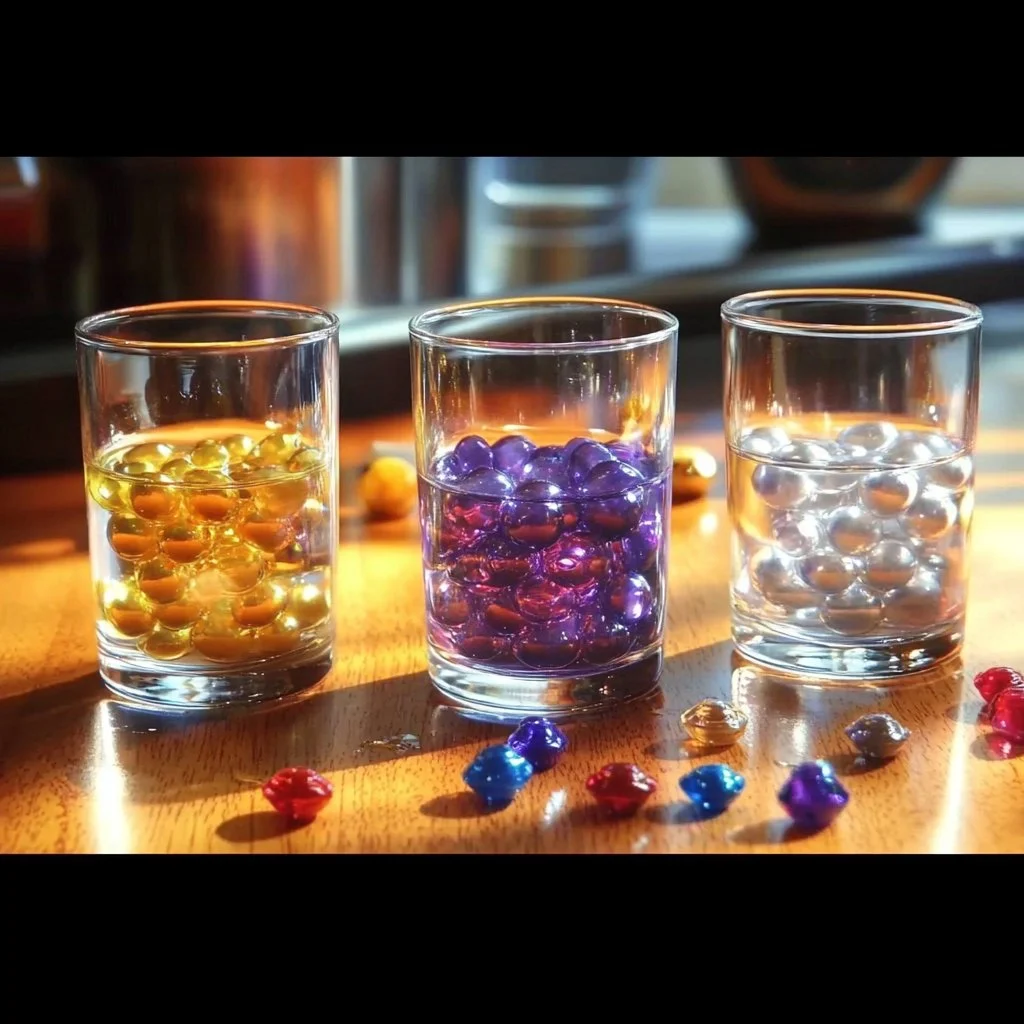
Dancing Jewels is a captivating science experiment that combines creativity and learning in a playful way. This hands-on activity is perfect for kids and adults alike, making it an ideal project for classrooms, at home, or as part of a science fair. Through this mesmerizing visual display, you’ll witness the beauty of colors coming to life as the jewels appear to dance! Not only is it an exciting visual treat, but it also introduces fascinating concepts such as density and chemical reactions in a fun, engaging manner. Whether you’re looking to spark a child’s interest in science or just want to enjoy a creative afternoon, this experiment is guaranteed to leave everyone amazed. So gather your materials and get ready to bring some dazzling dance moves to your table!
Why You’ll Love This Fun Science Experiment: Dancing Jewels
- Visual Delight: Watch colors swirl and dance right before your eyes!
- Educational Value: Learn about density and chemical reactions in a fun way.
- Easy to Execute: Simple materials mean anyone can join in.
- Creative Outlet: Personalize your creations with different colors and shapes.
- Exciting for All Ages: Both kids and adults will be fascinated by the results.
Materials
- Clear glass or plastic cup
- Baking soda
- Vinegar
- Food coloring (variety of colors)
- Small spoons
- Water
- Tray to catch spills
Full Step-by-Step
Prepare Your Workspace
- Set up a clean, flat surface for your experiment.
- Lay out your materials on the tray to catch any spills.
Mix the Baking Soda
- Take a spoonful of baking soda and add it to the bottom of the glass or cup.
Add Color
- Using your food coloring, drop in a few drops of your chosen color right on top of the baking soda. Watch the colors stay separate!
Introduce Vinegar
- Slowly pour in vinegar over the colored baking soda.
- Sensory Cues: Listen for fizzing sounds and watch the bubbly action as the liquid reacts!
Observe the Reaction
- Watch the colorful “jewels” appear and dance as the reaction takes place.
- Take note of how the colors mix and disperse.
Clean Up
- When you’re finished, carefully dispose of the mixture and clean your workspace.
Tips & Variations
- Customize Colors: Experiment with different food color combinations for varied results!
- Change Cup Sizes: Using wider or taller containers can change how the reaction looks.
- Add Sparkles: For extra fun, try adding edible glitter to the mix for a shimmering effect.
- Flavor It Up: Experiment with flavored vinegar (like apple cider) for an aromatic twist.
Frequently Asked Questions
1. Can I use other types of vinegar?
Yes! You can use apple cider vinegar or white vinegar; both will work well.
2. What if I don’t have baking soda?
You could try using baking powder, but the reaction may not be as strong.
3. How long will the reaction last?
The reaction typically lasts a few minutes, but you can add more vinegar to prolong the spectacle!
4. Can this be done outside?
Absolutely! Just make sure to protect any outdoor surfaces as the reaction can get messy.
Suggestions
- Pair this experiment with a story or lesson about chemistry.
- Document your experiment with photos to track different color combinations.
- Host a dance-off where participants show off their own “jewels” to music!
Final Thoughts
The Dancing Jewels experiment is a fantastic way to engage creativity and science simultaneously. Don’t forget to share your versions or unique twists on this experiment in the comments below! We’d love to hear about your colorful creations and any fun variations you come up with!
Print
Dancing Jewels Science Experiment
- Total Time: 10 minutes
- Yield: Varies by number of participants
- Diet: N/A
Description
A captivating science experiment that combines creativity and learning, perfect for kids and adults. Watch colors dance and learn about density and chemical reactions!
Ingredients
- Clear glass or plastic cup
- Baking soda
- Vinegar
- Food coloring (variety of colors)
- Small spoons
- Water
- Tray to catch spills
Instructions
- Prepare Your Workspace: Set up a clean, flat surface and lay out materials on a tray.
- Mix the Baking Soda: Place a spoonful of baking soda at the bottom of the cup.
- Add Color: Drop a few drops of food coloring on the baking soda.
- Introduce Vinegar: Slowly pour vinegar over the colored baking soda, listening for fizzing sounds.
- Observe the Reaction: Watch colorful ‘jewels’ appear and dance!
- Clean Up: Carefully dispose of the mixture and clean your workspace.
Notes
Customize the experiment with different colors and shapes for unique results. Consider adding edible glitter for extra fun!
- Prep Time: 5 minutes
- Cook Time: 5 minutes
- Category: Science Experiment
- Method: Mixing and Observing
- Cuisine: Educational
Nutrition
- Serving Size: 1 experiment
- Calories: 0
- Sugar: 0g
- Sodium: 0mg
- Fat: 0g
- Saturated Fat: 0g
- Unsaturated Fat: 0g
- Trans Fat: 0g
- Carbohydrates: 0g
- Fiber: 0g
- Protein: 0g
- Cholesterol: 0mg