
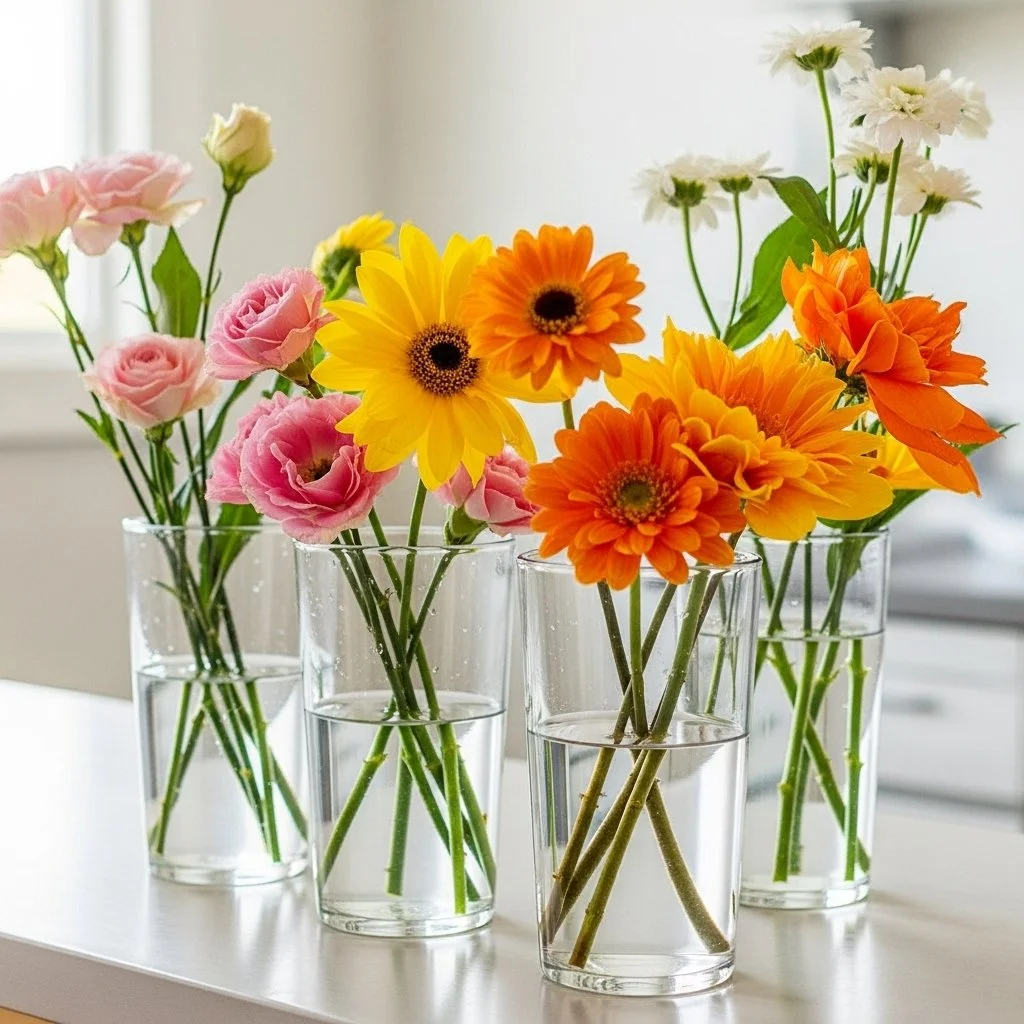
Introduction
Color-changing flowers are a delightful science experiment that combines artistry with botanical exploration. This hands-on project invites you to witness the magic of nature as you transform ordinary white flowers into vibrant hues using colored water. Perfect for both children and adults, this experiment not only reveals the principles of capillary action but also provides a visually stunning creation that can enhance any room. Whether you’re a parent looking for an educational activity for your kids or a teacher seeking an engaging classroom project, color-changing flowers offer a captivating way to learn and create. Plus, the process is simple and requires just a few materials that you likely already have at home.
Why You’ll Love This Color Changing Flowers Experiment:
- Educational: Teaches concepts in botany and science, specifically capillary action.
- Visually Stunning: Transforms ordinary flowers into vibrant art.
- Inexpensive: Uses common household items you probably already have.
- Customizable: Experiment with different colors and types of flowers.
- Fun for All Ages: Suitable for kids, adults, and even classroom settings.
- Great Gift Idea: Unique flowers make thoughtful presents for friends and family.
Materials
- White flowers (such as carnations or daisies)
- Clear glass or plastic cups
- Food coloring (various colors)
- Water
- Scissors (optional)
Full Step-by-Step
1. Prepare Your Flowers
- Select Flowers: Choose white flowers for best results.
- Trim Stems: If needed, cut the stems at an angle to help them absorb water more easily.
2. Set Up the Color Solution
- Fill Cups: Pour water into clear cups, filling them about halfway.
- Add Food Coloring: Add several drops of food coloring to each cup, one for each color experiment.
3. Combine Flowers and Water
- Insert Flowers: Place each flower in a cup with colored water. Ensure that the cut end of the stem is submerged.
- Observe: Watch closely as the flowers begin to absorb the colored water.
4. Wait and Watch
- Patience Required: Over the next few hours or overnight, observe the petals change color.
- Document Changes: Take note of the transformation, perhaps snapping photos for comparison.
Tips & Variations
- Mix and Match: Try combining different colors in a single cup for multi-colored flowers.
- Experiment with Time: Change the wait time to see how the intensity of color varies.
- Alternative Flowers: Test this experiment with other white flowers or even celery sticks to see how they absorb color.
- Create a Chart: Document the color change over time with a simple chart or log.
Frequently Asked Questions
1. Can I use any type of flower?
While white flowers work best since they absorb colors more vibrantly, you can experiment with other shades, but the results may vary.
2. How long does it take for the flowers to change color?
Typically, you’ll see changes within a few hours, but leaving them overnight will give the most vivid results.
3. Is it safe for kids?
Yes, food coloring is generally considered safe, but it’s always good to supervise young children during the experiment.
4. What if I don’t have flower food coloring?
Water-based paints or natural dyes (like beet juice or turmeric) can be used as alternatives for coloring the water.
Suggestions
- Showcase Your Results: Create a colorful centerpiece for your table or as a gift for a friend.
- Expand the Experiment: Consider adding other materials like glitter or paint to create a mixed-media floral art piece.
- Incorporate into a Lesson: Use this experiment in a lesson about plant biology or color theory in art.
Final Thoughts
Color-changing flowers are a fun and educational craft that can be adapted in many ways. We encourage you to try it and share your creations with us! Did you experiment with different colors or types of flowers? We’d love to hear about your experience in the comments below. Happy crafting!
Print
Color-Changing Flowers Experiment
- Total Time: 250 minutes
- Yield: Multiple colorful flowers
- Diet: N/A
Description
Transform ordinary white flowers into vibrant hues using colored water, exploring the principles of capillary action in a fun and educational way.
Ingredients
- White flowers (such as carnations or daisies)
- Clear glass or plastic cups
- Food coloring (various colors)
- Water
- Scissors (optional)
Instructions
- Select white flowers for best results and trim stems if needed.
- Pour water into clear cups, filling them halfway and add food coloring.
- Place each flower in a cup with colored water, ensuring the cut end of the stem is submerged.
- Observe as flowers begin to absorb the colored water.
- Wait a few hours or overnight to see the petals change color and document the changes.
Notes
Experiment with different flowers and colors, and document your findings.
- Prep Time: 10 minutes
- Cook Time: 240 minutes
- Category: Craft
- Method: Experimentation
- Cuisine: N/A
Nutrition
- Serving Size: 1 setup
- Calories: 0
- Sugar: 0g
- Sodium: 0mg
- Fat: 0g
- Saturated Fat: 0g
- Unsaturated Fat: 0g
- Trans Fat: 0g
- Carbohydrates: 0g
- Fiber: 0g
- Protein: 0g
- Cholesterol: 0mg