

are all cheeses gluten free? If you have celiac disease or a gluten sensitivity, that question probably pops into your head every time you stand in front of the dairy case. I’ve been there, squinting at labels, feeling torn between a creamy brie and a block of cheddar. Cheese feels safe, right? Still, those sneaky additives and flavorings can turn a simple snack into a question mark. Let’s break it all down in a simple, non-sciency way so you can snack happy and host cheese boards without worry. 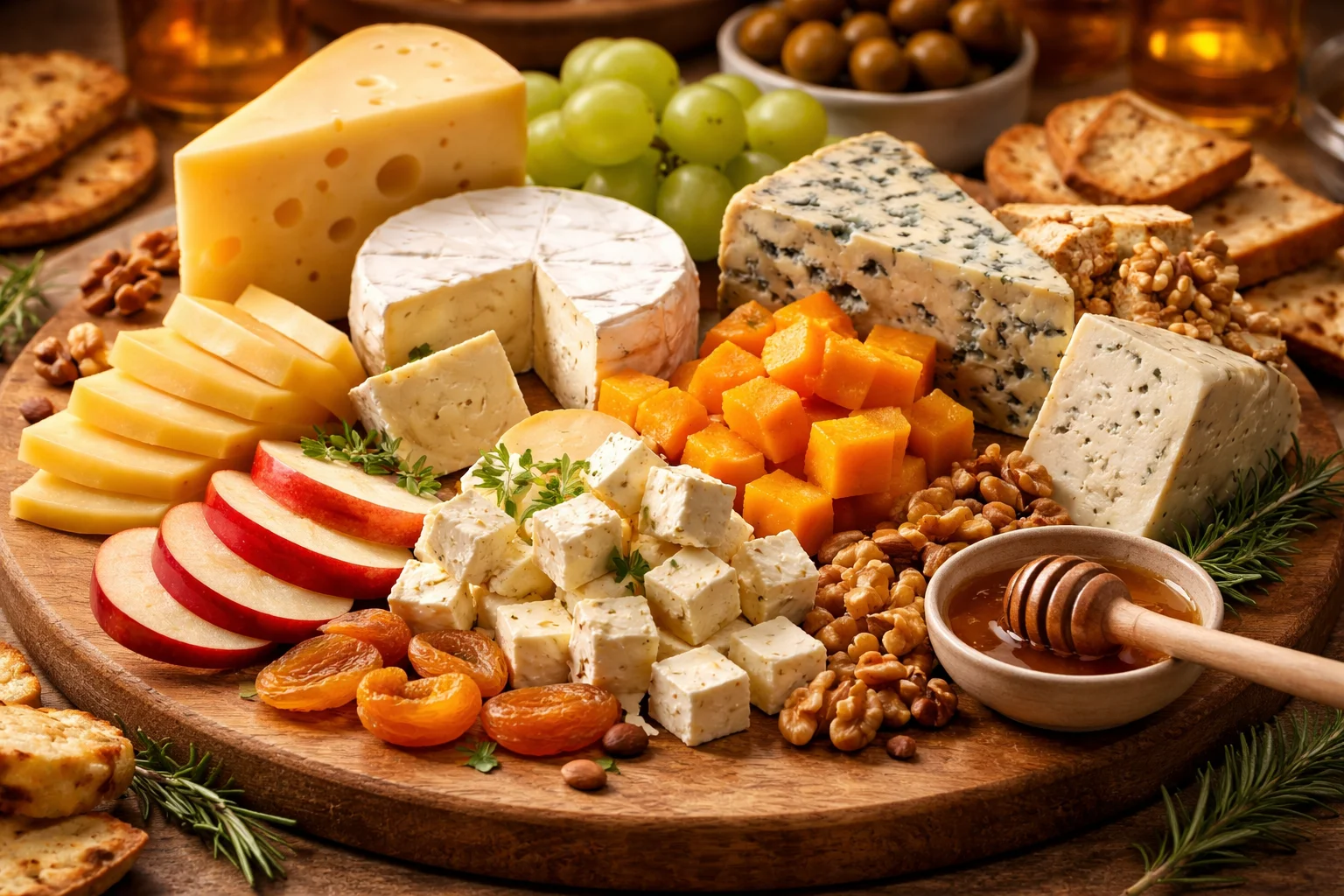
Is cheese gluten-free?
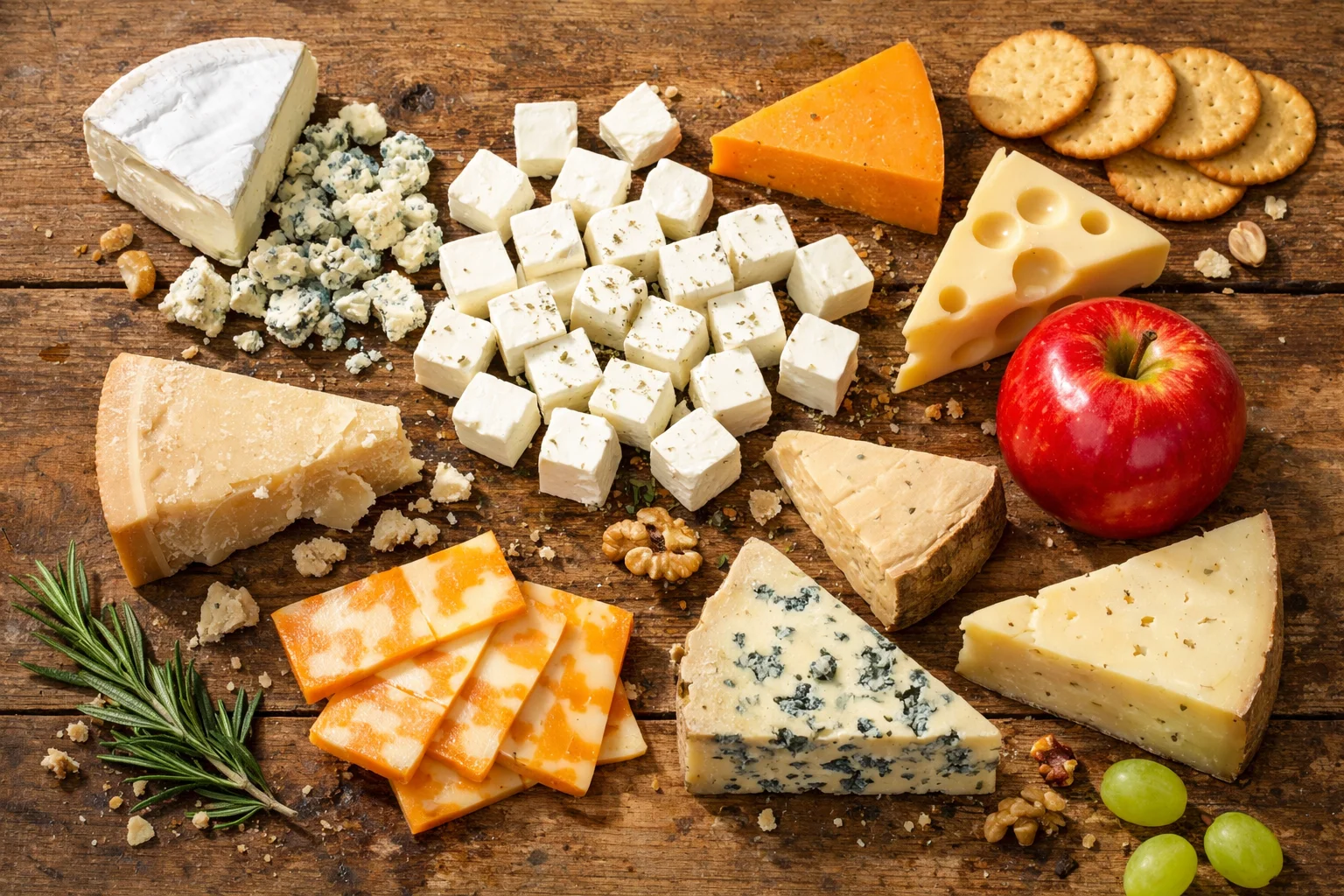
Most plain, traditional cheese is naturally gluten-free. The basic ingredients are milk, cultures, salt, and sometimes rennet. None of those contain gluten. So your classic blocks and wedges like cheddar, mozzarella, Swiss, gouda, and brie are generally safe as long as they’re unflavored and not processed.
So why the confusion? Because gluten can sneak in through flavorings, mix-ins, processing, or cross-contact during manufacturing. Shredded cheese, processed slices, and spreads are more likely to have additives. Some brands use starches to prevent clumping or add seasonings that may contain wheat or barley.
What makes cheese gluten free by default
Cheese starts with a simple formula. Milk is cultured, curds form, whey is drained, and the curds are pressed or aged. That process doesn’t require any gluten. When you stick to a plain piece of real cheese, you’re usually in the clear.
How to read labels with confidence
Flip the package and scan for the words gluten-free or a certified seal. Read the ingredient list slowly. Watch for wheat, barley, rye, malt, brewer’s yeast, and ambiguous terms like “natural flavors” if they aren’t clarified. Many large brands now state “contains wheat” if wheat is present, but not always, so keep an eye out for “modified food starch.” If it’s from the United States and just says “modified food starch,” it’s often corn based, but I still like to see it clearly stated.
If you’re highly sensitive or have celiac disease, it helps to stick to brands that clearly label their products and maintain strong allergen controls. When in doubt, choose a plain block or wedge and shred or slice it yourself at home.
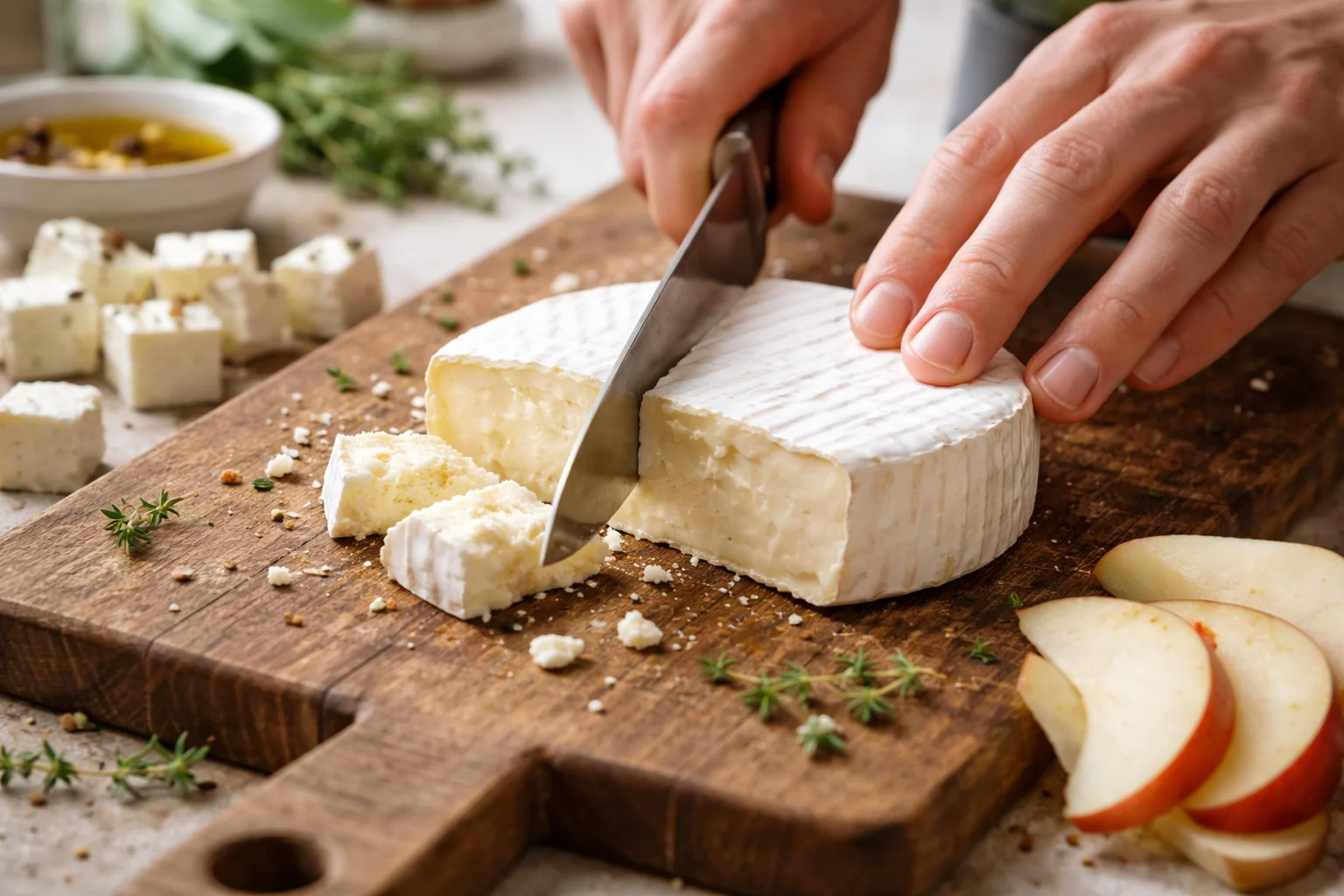
One more quick note about cross-contact. A safe cheese can become unsafe if it’s cut on a board that was used for bread or sliced with a knife dusted with crumbs. At home, dedicate a clean cutting board and knife for gluten-free prep.
And yes, you might still be wondering: are all cheeses gluten free? Keep reading and you’ll see exactly where the risky ones live.
Which types of cheese contain gluten?
Plenty of cheeses are safe, but some categories require extra attention. Here are the ones I watch closely when I shop or order at a restaurant.
- Processed cheese slices and cheese spreads: These often have added stabilizers and flavorings. Some brands are gluten-free, some are not. Always check.
- Shredded cheese: Anti-caking agents are usually gluten-free in the U.S. today, but not universally. Look for a gluten-free label.
- Flavored cheeses: Anything with add-ins like beer, malt, breadcrumbs, or spice blends can be risky.
- Beer cheese and ale-infused cheeses: If the beer or ale isn’t gluten-free, the cheese likely isn’t either.
- Crusted or rubbed cheeses (think herb-crusted or spice-crusted): Ask about the seasoning blend. Some rubs contain wheat-based ingredients.
- Breaded or fried cheese appetizers: Mozzarella sticks are a no-go unless specifically gluten-free.
Let’s talk about blue cheese, because it gets a lot of buzz. The old concern was that some blue cheeses used to be cultured on bread, which could introduce gluten. These days, most major brands don’t use gluten-containing mediums. Many blue cheeses are safe, but I still check the label or the brand’s website just to be sure.
Also consider how the cheese is handled. A store might slice gluten-free cheese on the same machine they use for deli meats containing gluten. If you’re very sensitive, ask them to clean the slicer or buy pre-packaged blocks that are sealed at the factory.
If you’re building a cheese board and want a perfect gluten-free nibble alongside, I love pairing a sharp cheddar with a slice of lightly sweet loaf. Try this easy treat for your spread: gluten-free pistachio bread. It’s such a nice contrast with salty cheese.
“I switched to buying plain blocks and cutting them at home, and my gluten-related stomach issues basically stopped. It’s simple, affordable, and I can control what touches my cheese.”
So, are all cheeses gluten free? Not every single one. But with a little label-reading and a plan for cross-contact, you can enjoy plenty of options safely.
What are the health implications of gluten for those with celiac disease?
For people with celiac disease, gluten is more than a minor irritant. It triggers an immune reaction that damages the small intestine. Over time, that can affect nutrient absorption and cause symptoms like bloating, pain, fatigue, anemia, and more. Even small amounts of gluten matter.
That’s why the gluten-free label and careful food handling are so critical. Many certified gluten-free products are tested to ensure they contain less than 20 parts per million of gluten. While no home kitchen is a lab, you can make smart moves to limit risk.
Here’s what that looks like in everyday life. At home, designate a clean cutting board and knife for cheese. Wash hands before serving, and keep crackers and bread away from the cheese board unless they’re gluten-free. When dining out, ask how the cheese is prepared. If it’s shredded in-house, find out if the grater or slicer also touches regular bread or breaded items. When in doubt, ask for a sealed, pre-packaged option or stick to dishes you trust.
And yes, that question again: are all cheeses gluten free. For folks with celiac disease, safe cheese is about more than what’s in it. It’s also how it’s made, stored, and served.
How is cheese manufactured?
Cheese-making is a beautiful process. Milk gets gently warmed, cultures are added to develop flavor, and rennet helps the milk solidify. Curds form, whey is drained, and the curds get pressed, salted, and sometimes aged until they’re bold and fragrant. Every step can change the texture and taste, from soft and creamy to hard and nutty.
Where gluten can sneak in during production
Although the core method is gluten-free, a few add-ons can complicate things. Seasonings, spice blends, or rubs around the rind can contain gluten. Specialty cheeses flavored with beer or malt are clear red flags. Some facilities process gluten-containing foods on the same equipment. That’s why brand transparency matters. Companies that highlight allergen controls and gluten-free labeling earn my trust.
If you love shredded cheese for convenience, consider buying a plain block and running it over a clean grater at home. It’s cheaper per ounce and you avoid potential additives. If you’re grabbing a spread or a processed slice, stick with brands that mark gluten-free on the package.
To simplify your shop, remember this: plain block or wedge, minimal ingredients, trustworthy label, and a clean prep space at home. The combo makes everyday snacking smoother. And if you’re still unsure, ask yourself one more time, are all cheeses gluten free, and let the label guide you.
What is the healthiest type of cheese?
Healthiest can mean different things depending on your goals. Are you watching sodium, fat, or lactose? Here are smart choices that also tend to be easy on the stomach for many people.
- Part-skim mozzarella: Mild, melty, and lower in fat. Great for snacking and cooking.
- Feta: Tangy and flavorful, so a little goes a long way. Look for varieties packed in brine.
- Goat cheese (chèvre): Soft and creamy with a little tang. Some find it easier to digest.
- Parmesan: Hard, aged, and naturally low in lactose. Intense flavor means you use less.
- Swiss: Mild, slightly sweet, and usually lower in sodium compared to other cheeses.
- Cottage cheese: High in protein, comes in low-fat options, and super versatile.
Healthier ways to enjoy cheese
Portion size helps. Think two fingers worth for a snack. Pair cheese with fiber-rich produce like apple slices, cucumbers, or cherry tomatoes. Swap crackers for gluten-free seed crisps or veggie sticks. For cooking, grate your own cheese so it melts better and you skip extra additives. If you like bold flavor, choose aged varieties and use less overall. That way you satisfy the craving without going overboard.
Common Questions
How can I tell if a cheese is safe without a gluten-free label?
Check the ingredient list for wheat, barley, rye, malt, or beer. If there are flavorings or starches that aren’t specified, visit the brand’s website or contact customer service. When uncertain, choose a plain block of cheese with minimal ingredients.
Is blue cheese safe?
Most blue cheeses sold today are gluten-free, but check the label and the brand’s allergen info. When dining out, ask how it’s sourced and handled.
What about cream cheese?
Plain cream cheese is usually gluten-free. Flavored varieties can include add-ins, so read the label and stick to brands that clearly mark gluten-free.
Do shredded cheeses contain gluten?
Many are gluten-free, but not all. The anti-caking agents are often corn or cellulose based. Look for a gluten-free statement or buy a plain block and shred it at home.
Can cross-contact at home really make me sick?
If you have celiac disease, yes. Use a clean board and knife, wash hands, and keep gluten-containing crackers away from the cheese. Little changes make a big difference.
Bringing it all together
So, are all cheeses gluten free? Not exactly, but most plain, traditional cheeses are naturally safe. The biggest risks are flavorings, additives, and cross-contact. Read labels, buy simple blocks when possible, and prep with clean tools. If you want more detailed guidance, check trusted resources like Is Cheese Gluten-Free? | BeyondCeliac.org for additional support and brand-level clarity.
Build a cheese board you feel good about, slice up your favorites, and relax. You’ve got this. And hey, don’t forget some fresh fruit or a crunchy gluten-free pairing to round everything out. 

Cheese Guide for Gluten Sensitivity
- Total Time: 10 minutes
- Yield: Serves for snacking
- Diet: Gluten-Free
Description
A comprehensive guide on which cheeses are gluten-free, how to read labels, and the implications for those with gluten sensitivities or celiac disease.
Ingredients
- Plain Cheddar
- Plain Mozzarella
- Gouda
- Brie
- Feta
- Part-skim Mozzarella
- Goat Cheese
- Swiss Cheese
- Cottage Cheese
- Parmesan
Instructions
- Identify traditional cheeses that are naturally gluten-free.
- Check labels for gluten-free certification.
- Look out for additives in processed cheese products.
- Choose to shred or slice cheese at home for safety.
- Avoid flavored cheeses or those from unclear sources.
- Use a dedicated cutting board and knife for gluten-free prep.
Notes
Always confirm the source of additives and be cautious with cross-contact during cheese preparation.
- Prep Time: 10 minutes
- Cook Time: 0 minutes
- Category: Snack
- Method: No Cooking Required
- Cuisine: International