
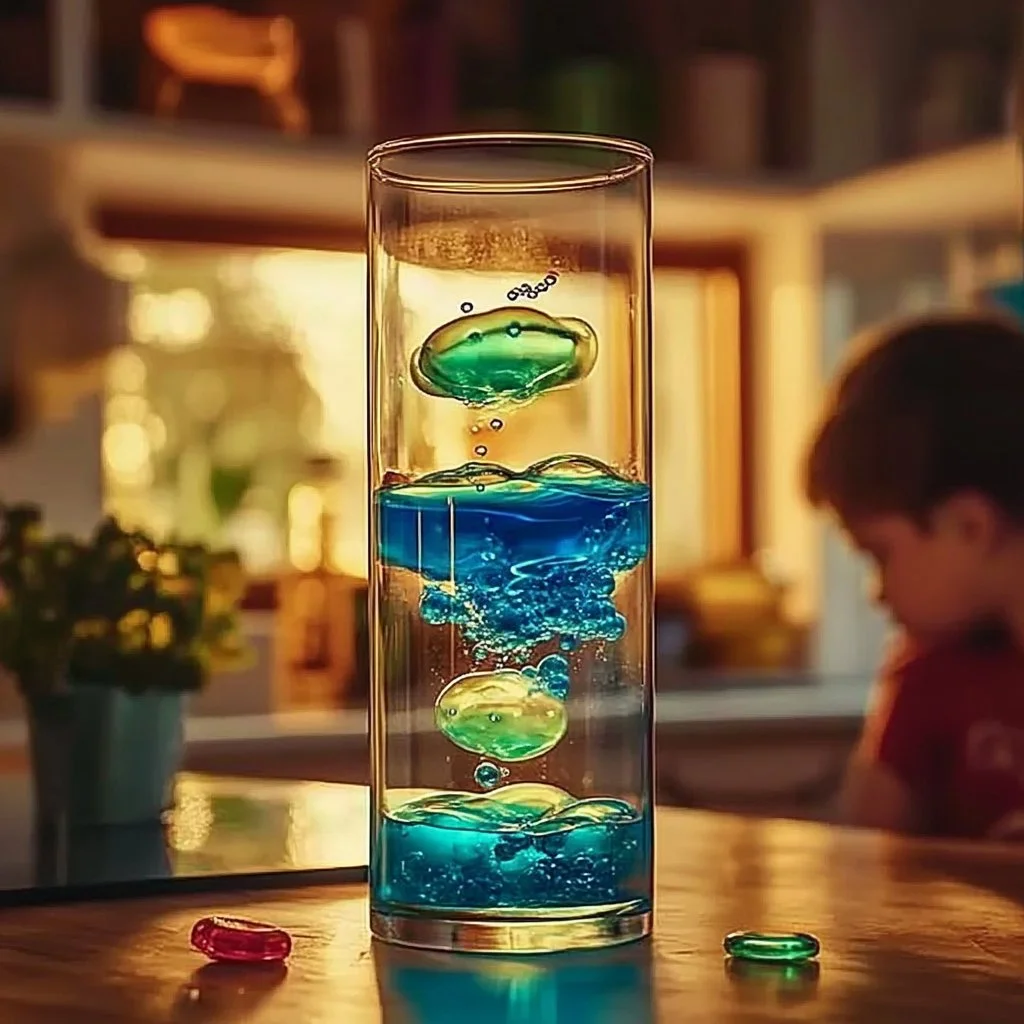
Lava lamps have captivated audiences since the 1960s with their mesmerizing swirls of colorful liquid. These unique lamps not only provide ambient light but also serve as an engaging science experiment, blending creativity with learning. If you’ve ever wanted to create your own lava lamp, you’re in luck! This experiment is fun, easy, and provides a hands-on way to explore the principles of density and immiscibility. Whether you’re a parent looking for a crafting activity with your children or an adult seeking a nostalgic DIY project, this lava lamp experiment is sure to impress. Let’s dive into why you’ll love making your own glow-in-the-dark masterpiece!
Why You’ll Love This Lava Lamp Experiment
- Engaging and Fun: A perfect hands-on project for all ages.
- Educational Value: Teaches principles of density and liquid behavior.
- Customization: Create your lamp with colors that match your decor.
- Quick and Easy: Requires minimal setup and time.
- Entertainment: An interactive display for your home or office.
Materials
- Clear plastic bottle or glass jar (new, clean)
- Water
- Vegetable oil (or baby oil)
- Food coloring (various colors)
- Alka-Seltzer tablets or baking soda
- Optional: glitter or small beads for decoration
- Funnel (optional, for pouring)
Full Step-by-Step
Step 1: Prepare the Bottle
- Start with a clean, dry clear bottle or jar.
- Place a funnel (if available) on the opening to prevent spills.
Step 2: Add Water
- Fill the bottle about one-third full with water.
- Observe how the water settles at the bottom.
Step 3: Add Oil
- Slowly pour vegetable or baby oil into the bottle until it is nearly full, leaving some space at the top.
- Watch as the oil floats above the water due to its lower density.
Step 4: Add Color
- Add a few drops of food coloring to the bottle.
- Notice how the color sinks through the oil and mixes with the water!
Step 5: Create Your Lava Effect
- Break an Alka-Seltzer tablet into smaller pieces and drop one in.
- Observe the chemical reaction as bubbles form and rise through the liquid, creating a "lava" effect!
Step 6: Enjoy
- Once the bubbles settle, you can add more Alka-Seltzer pieces for additional movement!
- Optional: Sprinkle in some glitter or beads for extra flair.
Tips & Variations
- Color Combinations: Experiment with different food coloring combinations for unique effects.
- Lighting: Use a flashlight or place your lamp in front of a light source for an eye-catching glow.
- Grow Your Collection: Create multiple lamps with different colors and sizes for a lava lamp display.
- Alternative Materials: Instead of Alka-Seltzer, try baking soda combined with vinegar for a slightly different reaction.
Frequently Asked Questions
Q1: Can I use any type of oil?
A1: While vegetable oil works best, you can use baby oil or mineral oil too. Just avoid oils that might have strong scents.
Q2: What if I don’t have Alka-Seltzer?
A2: Baking soda and vinegar can create a similar effect but may not be as long-lasting.
Q3: Why isn’t my lava lamp working?
A3: Make sure you’re using a clear bottle and that the oil and water layers are distinct. Adding too much food coloring at once can also hinder the effect.
Q4: Can I keep this forever?
A4: While the lava lamp can last for a while, the reaction will decrease over time. Refresh it by adding more Alka-Seltzer as needed.
Suggestions
- Share your experiences or modifications in the comments!
- Consider using different sized bottles for varied effects.
- Use this experiment as a birthday party activity for kids!
- Pair it with a discussion about how density and immiscibility affect everyday liquids.
Final Thoughts
Creating your own lava lamp is not just a craft—it’s an exploration of science and creativity combined. With a few simple materials and a bit of imagination, you can make a captivating centerpiece for any room. We’d love to see your versions of this experiment! Share your photos or leave a comment below with your thoughts and variations. Happy crafting!
Print
DIY Lava Lamp Experiment
- Total Time: 10 minutes
- Yield: 1 lava lamp
- Diet: N/A
Description
Create your own lava lamp using simple materials and explore the principles of density and immiscibility in a fun science experiment.
Ingredients
- Clear plastic bottle or glass jar (new, clean)
- Water
- Vegetable oil (or baby oil)
- Food coloring (various colors)
- Alka-Seltzer tablets or baking soda
- Optional: glitter or small beads for decoration
- Funnel (optional, for pouring)
Instructions
- Prepare the Bottle: Start with a clean, dry clear bottle or jar. Place a funnel (if available) on the opening to prevent spills.
- Add Water: Fill the bottle about one-third full with water. Observe how the water settles at the bottom.
- Add Oil: Slowly pour vegetable or baby oil into the bottle until it is nearly full, leaving some space at the top. Watch as the oil floats above the water.
- Add Color: Add a few drops of food coloring. Notice how the color sinks through the oil and mixes with the water!
- Create Your Lava Effect: Break an Alka-Seltzer tablet into smaller pieces and drop one in. Observe the chemical reaction as bubbles form and rise through the liquid.
- Enjoy: Once the bubbles settle, add more Alka-Seltzer for additional movement! Optional: sprinkle in glitter or beads.
Notes
Experiment with color combinations and lighting for enhanced effects. Consider different oil types, but avoid strongly scented oils.
- Prep Time: 10 minutes
- Cook Time: 0 minutes
- Category: Craft
- Method: Experimenting
- Cuisine: N/A