
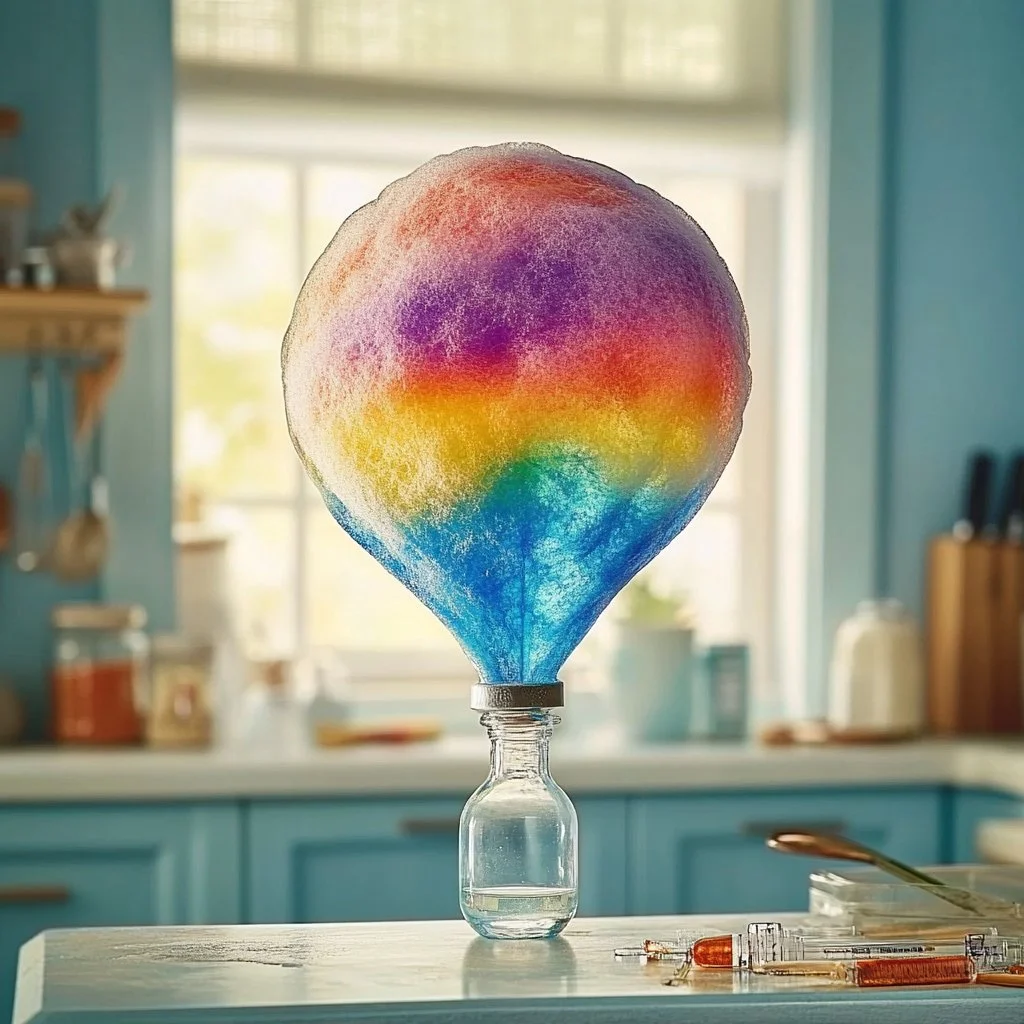
If you’re looking for a fun and engaging science experiment to do with the kids (or just the kid in you), this balloon inflation experiment is perfect! It’s a fantastic blend of craft and science, providing a hands-on way to explore gas expansion and chemical reactions. With just a few household items, you can create an exciting demonstration that not only entertains but also educates.
Imagine watching a balloon inflate before your eyes! The anticipation builds as you mix your materials, and the resultant puff of air is both surprising and satisfying. This experiment is simple enough for young children yet intriguing enough for older kids to explore the science behind it. Let’s dive in and see why you’ll love trying out this balloon inflation experiment!
Why You’ll Love This Balloon Inflation Experiment:
- Interactive Learning: Combines science and fun, making it perfect for kids.
- Immediate Results: Instant gratification as you see the balloon inflate quickly.
- Simple Materials: Uses basic household items; no special equipment needed.
- Customizable: Easy to adapt and experiment with various ingredients.
- Great for Groups: Perfect for parties or classroom activities.
- Safe and Non-Toxic: All materials are kid-friendly.
Materials
- An empty plastic bottle (16 oz or larger)
- A balloon
- Baking soda (1-2 tablespoons)
- Vinegar (about 1/2 cup)
- Funnel (optional, but helpful)
- Measuring spoons
- A tray or large dish (to catch any spills)
Full Step-by-Step
1. Prepare Your Bottle
- Start with a clean, dry plastic bottle. Place it on the tray to catch any overflow during the experiment.
2. Measure and Add Baking Soda
- Using a funnel, carefully add 1-2 tablespoons of baking soda into the bottle. If you don’t have a funnel, you can gently pour it in, but be careful not to spill.
3. Prepare the Balloon
- Stretch the balloon a little to make it easier to inflate later.
4. Add Vinegar
- Pour about 1/2 cup of vinegar into the bottle over the baking soda. Do this quickly to see the immediate reaction!
5. Attach the Balloon
- Carefully stretch the opening of the balloon over the mouth of the bottle without letting any mixture escape. This can be tricky, but make sure the balloon is securely attached.
6. Witness the Magic!
- When you’re ready, lift the balloon up to let the vinegar pour down into the bottle with the baking soda.
- Watch as the balloon begins to inflate as carbon dioxide gas is produced!
Tips & Variations
- Colorful Balloons: Use colored balloons for a fun effect.
- Scented Vinegar: Add a few drops of essential oil to the vinegar for a pleasant aroma.
- Experiment with Ratios: Try different amounts of baking soda and vinegar to see how it affects inflation.
- Substitutions: If you don’t have vinegar, use lemon juice for a similar reaction.
Frequently Asked Questions
Q1: What happens if the balloon doesn’t inflate?
A1: Ensure that the baking soda and vinegar are fresh and that the balloon is securely attached to the bottle.
Q2: Can I use plastic soda bottles?
A2: Yes! Just make sure they are clean and dry before beginning.
Q3: How can I make this activity longer?
A3: Discuss the science behind the reaction while you wait for the balloon to inflate!
Q4: Is this experiment safe for young children?
A4: Yes, all ingredients are non-toxic and safe. Just ensure close supervision.
Suggestions
- Pair the experiment with a discussion on gases and chemical reactions.
- Try it as part of a birthday party science theme.
- Create a competition to see who can inflate their balloon the largest!
Final Thoughts
This balloon inflation experiment is a delightful and educational activity that can spark curiosity about science. We hope you enjoy trying it out and customizing it to your preferences. Feel free to share your versions or leave a comment with your experiences! Your feedback could inspire other budding scientists!
Print
Balloon Inflation Experiment
- Total Time: 15 minutes
- Yield: 1 experiment
- Diet: N/A
Description
A fun and engaging science experiment for kids that demonstrates gas expansion and chemical reactions using simple household materials.
Ingredients
- 1 empty plastic bottle (16 oz or larger)
- 1 balloon
- 1-2 tablespoons baking soda
- 1/2 cup vinegar
- Funnel (optional)
- Measuring spoons
- 1 tray or large dish (to catch spills)
Instructions
- Prepare Your Bottle: Place the clean, dry plastic bottle on the tray to catch any overflow.
- Measure and Add Baking Soda: Use a funnel to add 1-2 tablespoons of baking soda into the bottle.
- Prepare the Balloon: Stretch the balloon to make it easier to inflate.
- Add Vinegar: Pour about 1/2 cup of vinegar into the bottle over the baking soda quickly.
- Attach the Balloon: Stretch the opening of the balloon over the mouth of the bottle without allowing any mixture to escape.
- Witness the Magic: Lift the balloon to let the vinegar pour into the bottle and watch as the balloon inflates!
Notes
Ensure that all ingredients are fresh and supervise young children during the experiment.
- Prep Time: 10 minutes
- Cook Time: 5 minutes
- Category: Educational Activity
- Method: Demonstration
- Cuisine: N/A