

A soft stream of colors flows across a warm page, each hue blending into the next. Children giggle as they watch salt absorb bright pigments, the grains sparkling like tiny stars in the light. This is the world of salt painting, where creativity unfurls gently and invites us into a space of mindful making. The process captivates little hands and curious minds, encouraging a soothing flow of color and texture. It reminds us that art can be both playful and calming, nurturing a sense of wonder as we create.
The Heart Behind This DIY
Salt painting for kids opens a door to a peaceful and sensory-rich experience. As children engage with the salt and paint, they begin to explore not just colors and shapes, but also their own feelings. The texture of salt is grainy and inviting, grounding them as they pour it over their creations. Each sprinkle is a small act of intention, building a quiet world of focus amidst their natural playfulness.
This project serves more than just an artistic outlet; it cultivates presence. When little hands dip into colorful paints, they can lose themselves in the moment. The vibrant pigments glide smoothly atop the textured salt, creating delightful patterns that capture attention. Letting go of the need for perfection, salt painting encourages exploration and experimentation. It teaches patience, noticing how colors blend and shift over time, much like our own thoughts and feelings.
A Gentle Look at the Process
Creating salt paintings offers a gentle rhythm of movement and sound. As kids work, they hear the soft crumple of paper and the quiet pour of salt cascading from their hands. They feel the cool brush of paint against their fingertips and marvel at the vivid strokes left behind. This process is sensory and fulfilling, inviting them to engage fully.
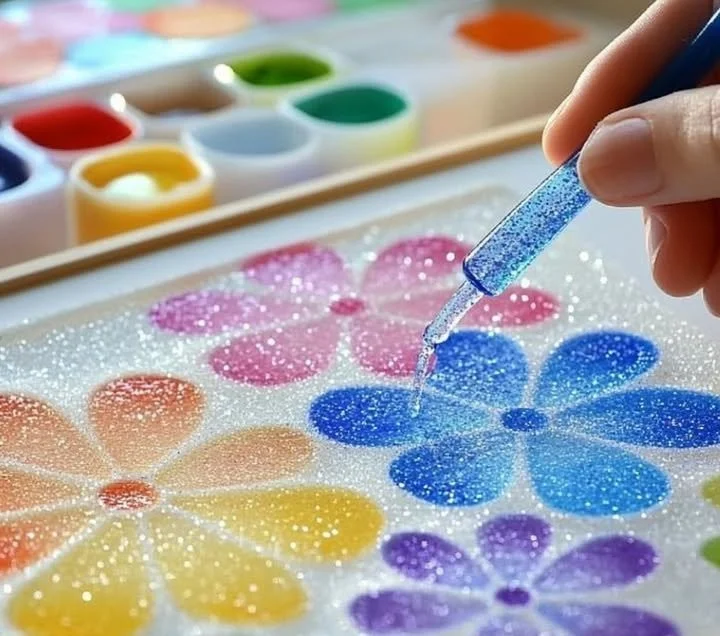
In this exploration, each step of making salt paintings encourages a soft flow of creativity. Beginning with a blank canvas, the salt can be poured into shapes and patterns, creating a textural landscape ready for color. The anticipation builds as the bright paints are introduced, then begins to dance across the surface. As layers interact, sights deepen, sounds quieten, and the heart of making becomes clear.
Materials You’ll Need
Gathering materials for this salt painting activity is simple and comforting. Here’s what you will need:
- White school glue (easy to find)
- Salt (regular kitchen salt works well)
- Watercolor paints (or food coloring for vibrant options)
- Thick paper or cardstock (to hold the salt and paint)
- Small containers or cups (for the watercolors)
- A paintbrush (soft bristle brushes feel nice to hold)
- Old newspaper or a tray (to protect your workspace)
These supplies are friendly and accessible. You can easily adapt what you find at home, allowing for creativity to begin before even starting the painting.
Step-by-Step Directions
-
Start by laying out some old newspaper or a tray to catch any overflow. This helps keep your workspace neat and cozy.
-
Use the white glue to create shapes or designs on your thick paper. Encourage your child to explore different patterns, curvy lines, or even simple dots. The glue feels smooth and cool under their fingers.
-
Once satisfied with the glue design, gently sprinkle salt over the wet glue. Let them enjoy the sound of the salt as it falls, creating a snowy layer on their artwork.
-
After shaking off the excess salt, you can set the paper aside for a moment. This allows the glue to dry slightly and the salt to settle, which enhances the effect of the paint later.
-
Now comes the engaging part: mix watercolor paints or food coloring with a bit of water in your small containers. They can swirl the hues together, creating their own vibrant blends.
-
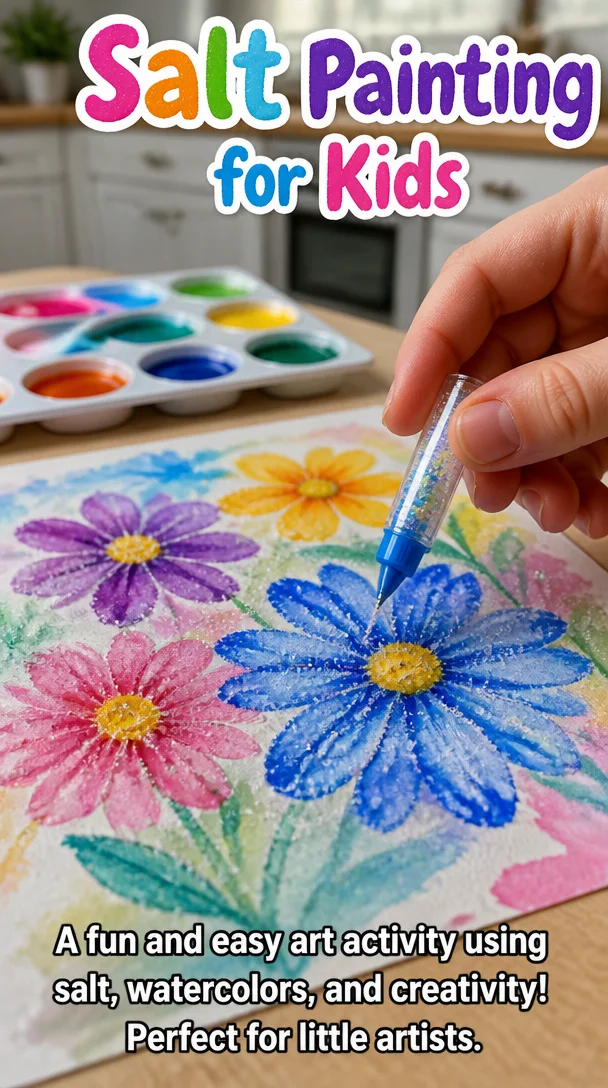
Using the soft paintbrush, invite them to touch the wet tip against the salt. Watch as the colors travel along the grains, spreading out like tiny rivers. Encourage them to explore how the colors mix and spread in different ways.
-
Allow the painting to dry fully, which could take a few hours. This gives them time to relish the artistic journey they’ve just taken.
Enjoying the Finished Piece
Once dry, the salt painting can truly shine. Each piece carries the joyful exploration of colors and textures, a true testament to their creativity. Display it nearby, perhaps in a sunlit place where the light can catch the salt and make it sparkle.
These paintings can find many places in your home, becoming part of everyday life rather than just a one-time creation. Hang them on walls, place them on tables, or even use them as unique greeting cards for family and friends. Each piece tells a story, inviting conversations and smiles.
How to Store or Reuse Salt Painting for Kids
Salt paintings can be lovingly stored or reused in ways that embrace their nature. Keeping them flat in a portfolio or a protective folder helps preserve their texture and colors. You can revisit the pieces after a while, inviting your child to reflect on their creative journey.
If you would like to explore reuse, consider some gentle modifications. Use these paintings as backgrounds for a new art project or as part of a seasonal display. You might frame one or two special pieces to make them feel even more cherished. This encourages a sense of continuity in creativity and allows for ongoing moments of reflection and growth.
Gentle Tips & Variations
Here are some gentle tips and variations to invite even more enjoyment from the salt painting experience:
-
Experiment with different types of salt, such as sea salt or colored salt, to see how each texture alters the final look. They might enjoy the contrast and variety it brings.
-
Try adding a sprinkle of glitter to the salt before painting. This adds a magical touch, creating small glimmers as the light catches.
-
Let your child make patterns or shapes that represent their feelings, like swirls for happiness or zigzags for excitement. This personal expression adds a layer of intimacy to their work.
-
Incorporate nature by adding leaves or flowers next to their paintings later. This brings in new textures and a connection to the natural world.
-
Encourage storytelling with their artwork. Ask your child what their painting represents or if there is a story behind it. This adds depth to the creation process and nurtures their imagination.
FAQs About Salt Painting for Kids
Q: Can we use other types of glue for salt painting?
A: White school glue works best because it dries clear and stays flexible. Other adhesives may alter the texture or finish of the painting.
Q: Is the salt safe for young children?
A: Yes, regular kitchen salt is safe, but supervision is always essential to ensure they do not consume it.
Q: How long does it take for the painting to dry completely?
A: The drying time can vary based on humidity and thickness, but a few hours is usually enough. You can leave it overnight if you’d like to ensure it’s set.
Q: Can we use paint other than watercolors?
A: Yes, food coloring works beautifully as well. Just remember to adjust the liquid content so it doesn’t overwhelm the salt.
Q: What if my child wants to use glitter?
A: Glitter is a lovely addition! It can blend with the salt before painting or be sprinkled on afterward for a twinkling effect.
A Gentle Note Before You Go
As you step away from your creative space, take a moment to breathe and reflect on the journey you have taken together. Salt painting fosters not just artistic expression but an opportunity for bond and gentle mindfulness. The beauty lies not only in the finished artwork but in the time spent nurturing creativity and presence.
Encourage your child to carry the lessons of slow exploration and joyful play into their everyday life. Let the calm moments of creating remind both of you that art and life are intertwined, a tapestry woven with color, texture, and love.
Print
Salt Painting for Kids
- Total Time: 190 minutes
- Yield: 1 artwork
- Diet: N/A
Description
A delightful activity encouraging children to explore their creativity through the sensory experience of salt painting.
Ingredients
- White school glue
- Salt (regular kitchen salt)
- Watercolor paints or food coloring
- Thick paper or cardstock
- Small containers or cups
- A soft paintbrush
- Old newspaper or a tray
Instructions
- Start by laying out some old newspaper or a tray to catch any overflow.
- Use the white glue to create shapes on your thick paper.
- Once satisfied with your glue design, gently sprinkle salt over the wet glue.
- After shaking off the excess salt, set aside the paper to allow the glue to dry slightly.
- Now comes the engaging part: mix watercolor paints or food coloring with a bit of water.
- Using the soft paintbrush, touch the wet tip against the salt and watch the colors spread.
- Allow the painting to dry fully, which could take a few hours.
Notes
Experiment with different types of salt or add glitter for a magical touch.
- Prep Time: 10 minutes
- Cook Time: 180 minutes
- Category: Arts & Crafts
- Method: Creative Activity
- Cuisine: N/A