
This post contains Amazon affiliate links. As an Amazon Associate I earn from qualifying purchases.
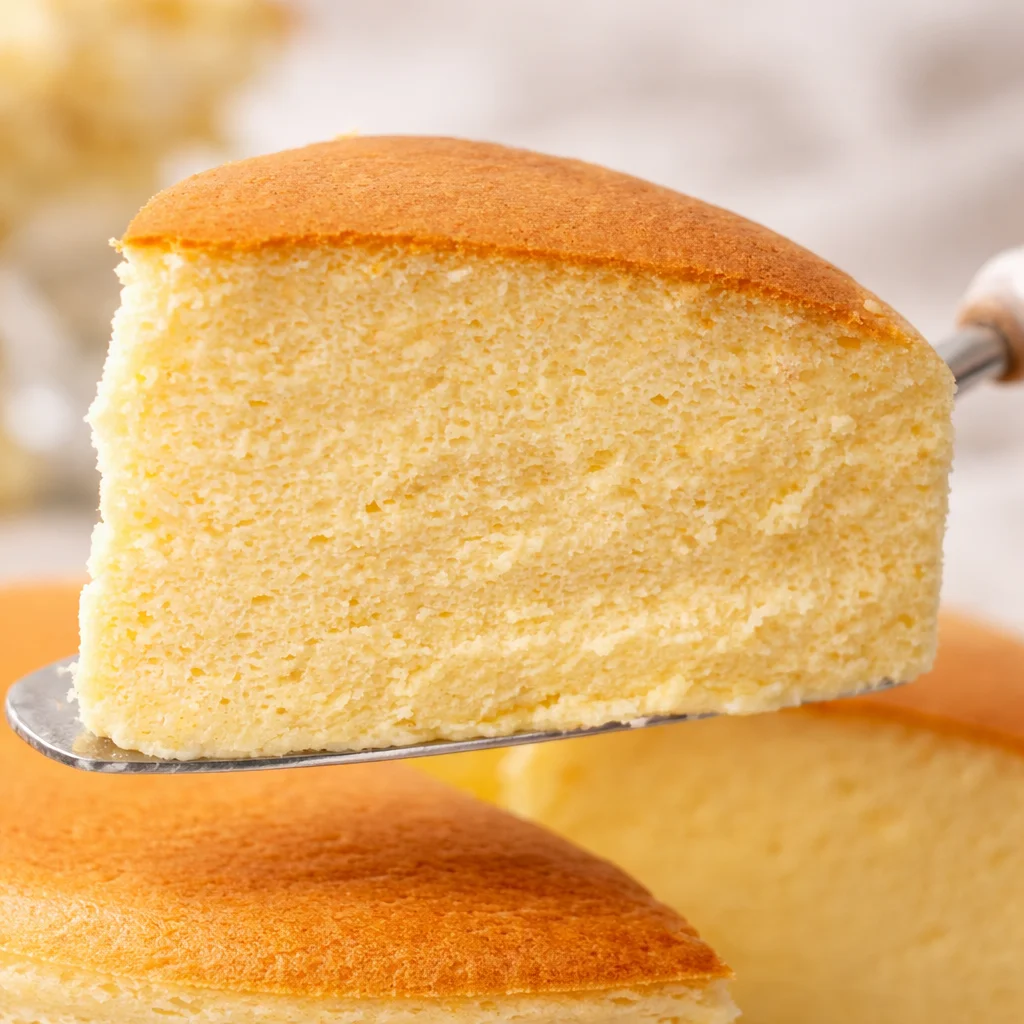
japanese souffle cheesecake is that dessert I reach for when I want something cloud soft yet rich enough to feel special. Maybe you have tried to make it and ended up with a cracked top or a dense center. Been there. I used to babysit the oven window like it owed me money. Over time I figured out what works, and now this dreamy cake turns out tall, jiggly, and silky most weekends at my house. Let me show you how to make it feel easy and fun. 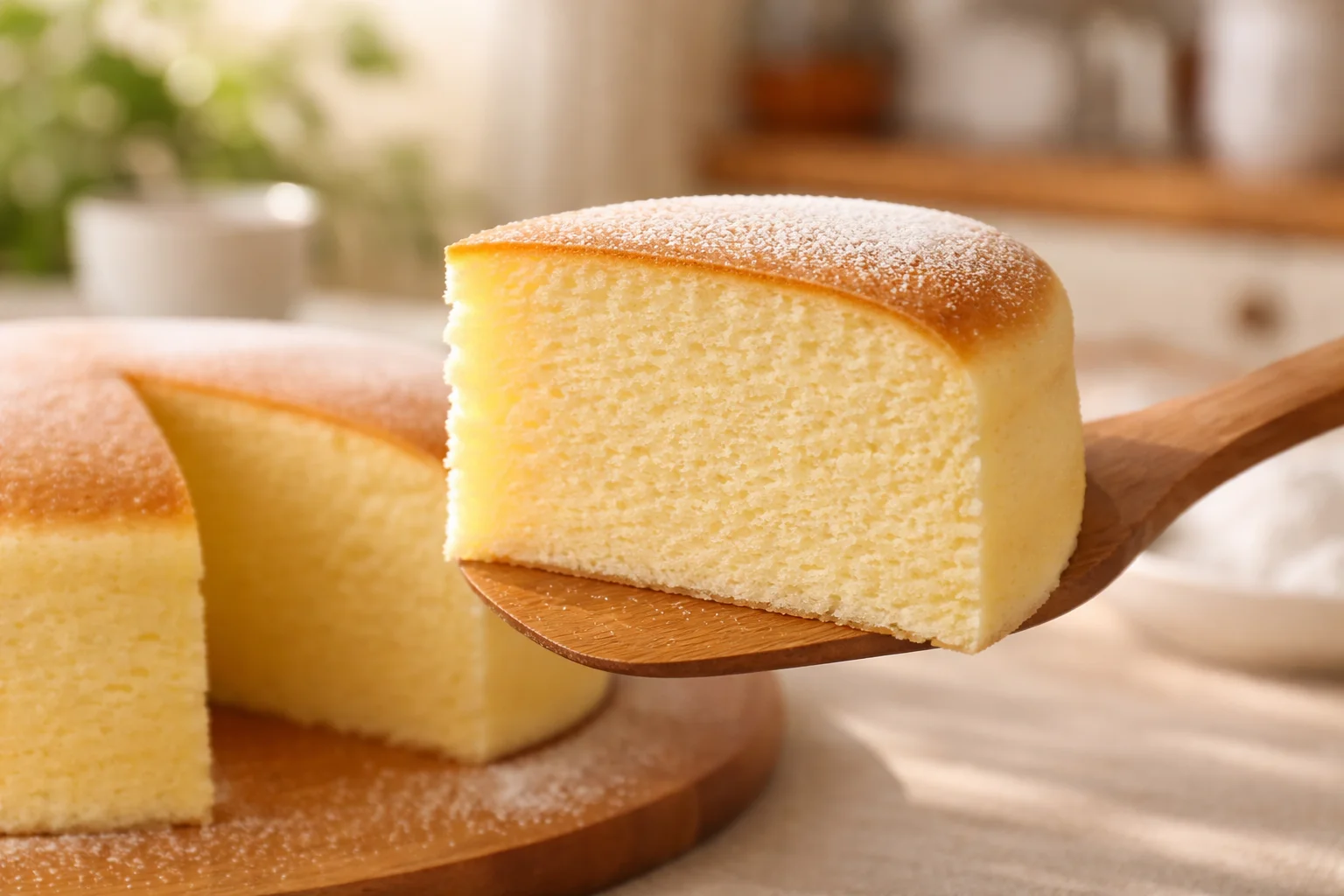
Why make this cheesecake?
Because it is the perfect middle ground between classic cheesecake and a soufflé. Imagine a cake that jiggles like a pillow when you nudge the pan but melts like warm cream on your tongue. It is lighter than New York style, yet it still gives you that comforting cheesecake flavor with a whisper of vanilla and lemon. You can serve it slightly warm for a custardy center or fully chilled for a tighter, sliceable bite. Either way, it is a treat that feels celebratory without being heavy.
I make this often for brunches and birthdays, and it always leads to a table moment. Everyone leans in when the knife cuts through that glossy top and the steam lifts. If you have felt intimidated, I promise, it is mostly about gentle mixing and a steady bake.
“I followed your water bath tip and reduced my oven by 10 degrees. No cracks at all, and the texture was perfect. My kids called it cloud cake.”
For anyone who has not tried japanese souffle cheesecake yet, think of it as a hug in cake form. It is indulgent but not too sweet, and it pairs with fruit, tea, or just a quiet afternoon. 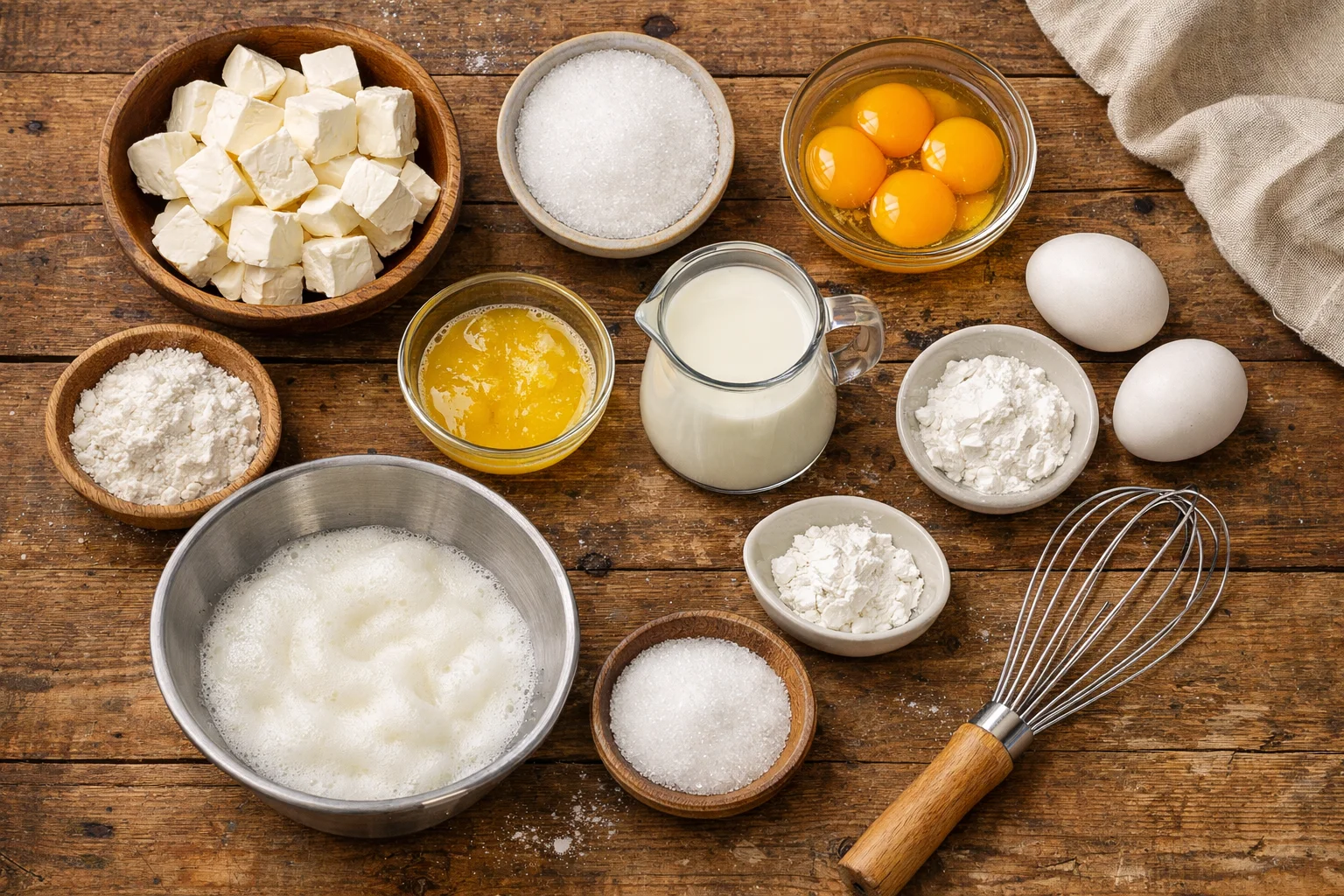
Tips for the perfect Japanese cheesecake
Build a smooth base
Start with room temperature cream cheese. Cold cream cheese stays lumpy and can create tiny pockets that collapse later. Beat it with sugar until glossy, then add yolks one at a time. A splash of milk and melted butter keeps it satin smooth. Sift your flour and a little cornstarch straight over the bowl to avoid clumps. The batter should look like thick custard. Keep your hand gentle here.
Meringue that behaves
Whip egg whites to soft peaks, not stiff. Soft peaks mean the meringue bends over softly when you lift the whisk. Stiff peaks can cause a towering rise that sinks or cracks. Add the sugar in three slow rains. The meringue should shine and leave tracks, like frosty ocean waves.
- Fold like you are tracing circles. Add one third of the meringue to the base and whisk it in to lighten. Switch to a spatula and gently fold the rest in two additions.
- Use a parchment collar. Line the sides of a 7 or 8 inch round pan so the cake can climb without sticking.
- Water bath matters. Wrap the outside of the pan with foil, set it in a larger pan, and pour in hot water halfway up. Even heat equals smooth top.
- Bake low and slow. Think 150 to 160 C or 300 to 320 F until the top is lightly bronzed and the center wobbles.
- Cool with patience. Crack the oven door for 15 minutes, then set the cake on the counter to settle before unmolding.
Pro note: If your kitchen runs cool, warm the cream cheese by setting the foil packet in a bowl of lukewarm water for 5 minutes before beating.
These habits sound small, but they turn a tricky bake into a predictable one. With them, your japanese souffle cheesecake will be tall, silky, and delicately sweet. 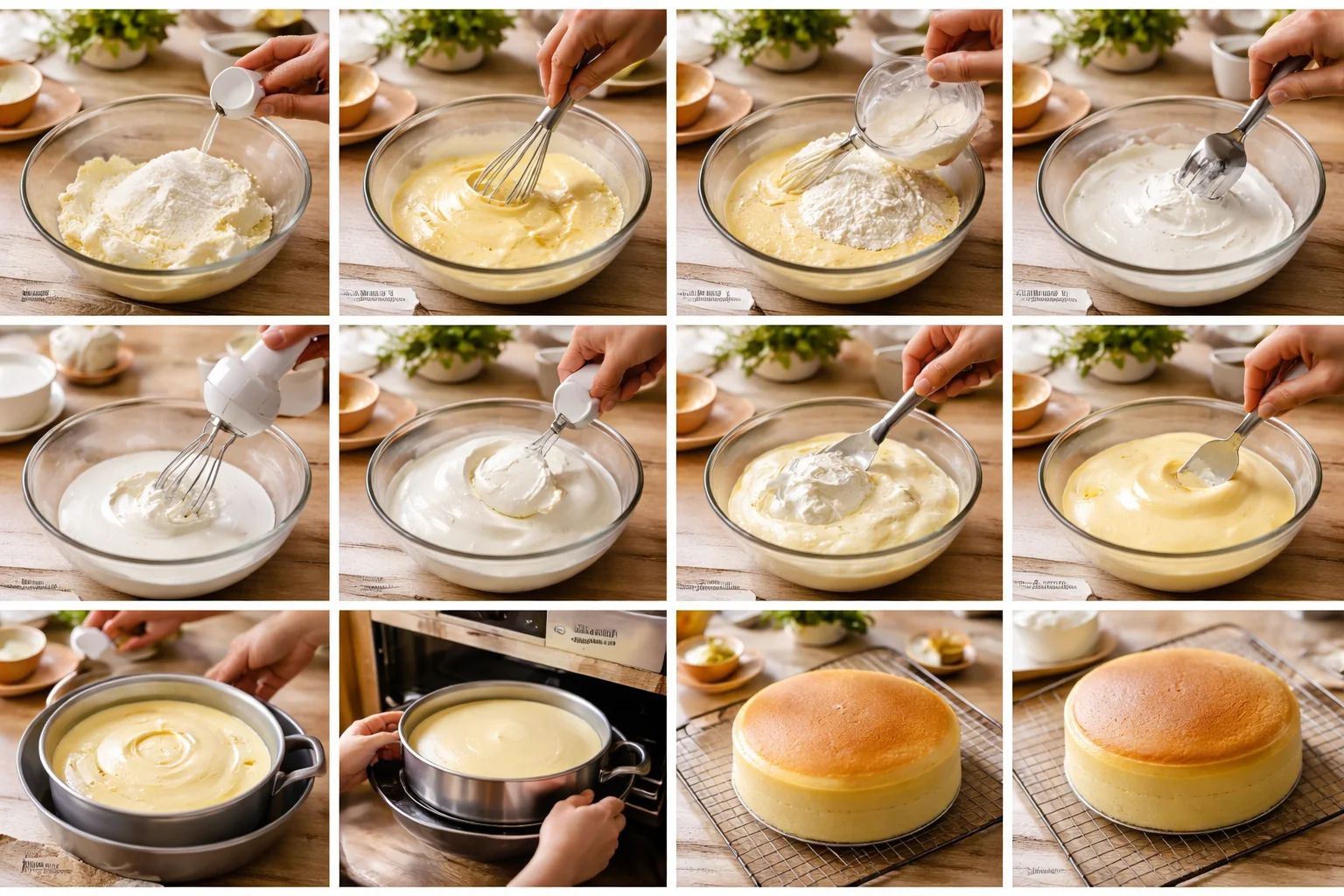
Troubleshooting Quick Fixes Ive Learned from My Bakery Kitchen
When things go sideways
Cracked top? That usually means the oven was a touch hot or the meringue was too stiff. Next time, drop the oven by 10 degrees and stop whipping at soft peaks. You can also tent the top loosely with foil for the last 15 minutes if it bronzes too fast.
Dense or rubbery center? Overmixing after adding flour can knock out the air. Fold with a light hand and bake a little longer at a slightly lower temp. Aim for a gentle wobble, not a pool in the center.
Sunken middle? This happens when steam escapes too quickly or the cake is underbaked. Keep the oven door closed for the first 35 to 40 minutes, then peek. Let the cake rest in the turned off oven with the door cracked so it cools gradually.
Weeping bottom or soggy sides? The water bath might have leaked. Wrap the pan in a double layer of heavy foil or use a solid bottom pan. If the bottom is damp, chill the cake uncovered in the fridge to help the moisture evaporate.
Small upgrades that save the day
– Switch to superfine sugar for both the base and meringue for cleaner dissolving and tighter structure.
– Use a digital thermometer if you have one. Pull at an internal temp around 165 F in the center for silky custard texture.
– Add a teaspoon of lemon juice to the whites for stable foam. It gives the tiniest brightness without tasting sour.
Once you crack the rhythm of folding and baking, japanese souffle cheesecake becomes second nature.
Variations Fun Twists and Flavours
Flavor ideas that work
Lemon Vanilla Classic Add zest of one lemon plus 1 teaspoon vanilla. Finish with a dusting of powdered sugar.
Matcha Dream Sift 1 tablespoon matcha with the flour. Serve with sweetened whipped cream. The earthy tea notes play so nicely with the milky crumb.
Chocolate Marble Fold in 2 tablespoons of warm cocoa paste made with cocoa and hot water at the very end. Swirl with a chopstick.
Honey Citrus Swap 2 tablespoons of sugar for honey in the base. Add orange zest for perfume.
If you are in the mood for something even simpler yet still creamy and festive, try this easy treat on the site: strawberry cheesecake dump cake. It is a fun shortcut dessert when the craving hits and you do not want to separate eggs.
Whichever direction you pick, you can keep the gentle texture of japanese souffle cheesecake and just change the mood with your flavors.
Common Mistakes to Avoid Lessons Ive Learned After Dozens of Batches
Little traps that trip up good bakers
- Cold cream cheese. Brings lumps and overmixing. Room temperature is your friend.
- Stiff peaks. Looks impressive, then collapses. Stop at soft peaks with a shiny trail.
- Rushing the cool down. Sudden cold air shrinks the top. Let it relax in the oven first.
- Skipping the collar. The sides stick and tear. Parchment helps the cake stand tall.
- Too much flour. Makes it bready. Measure with a light hand and sift.
- Water bath leaks. Soggy bottoms are a mood killer. Double wrap the pan with foil.
Keep these in mind, and your japanese souffle cheesecake will look bakery ready more often than not.
Common Questions
How do I know when it is done? The top should be lightly golden, and the center should wobble like gelatin, not slosh. If you tap the pan and it ripples slowly, you are good.
Can I make it ahead? Yes. Bake a day ahead, cool, then chill. It slices cleaner on day two and the flavor settles nicely.
What pan size should I use? A 7 or 8 inch round pan works best. Smaller gives taller rise, larger gives thinner but still lovely slices.
Do I need cream of tartar? Not required. A teaspoon of lemon juice in the whites works well to stabilize the meringue.
How do I store leftovers? Keep covered in the fridge for up to 3 days. Let slices sit at room temp for 10 minutes before serving for the softest texture.
A sweet sign off for your home kitchen
If you have ever worried that this cake is too fussy, I hope these notes show how doable it is. With a gentle fold, a calm oven, and a little patience, your kitchen can turn out a tender, jiggly beauty that tastes like a cloud of vanilla cream. When you are ready to dive deeper, compare techniques with trusted guides like The best Japanese Cheesecake Recipe on Modern Asian Baking to see how your approach lines up. Most of all, have fun and trust your senses.
Grab your whisk, heat that water bath, and bake your own japanese souffle cheesecake. I am cheering you on from my messy counter with a warm slice in hand. 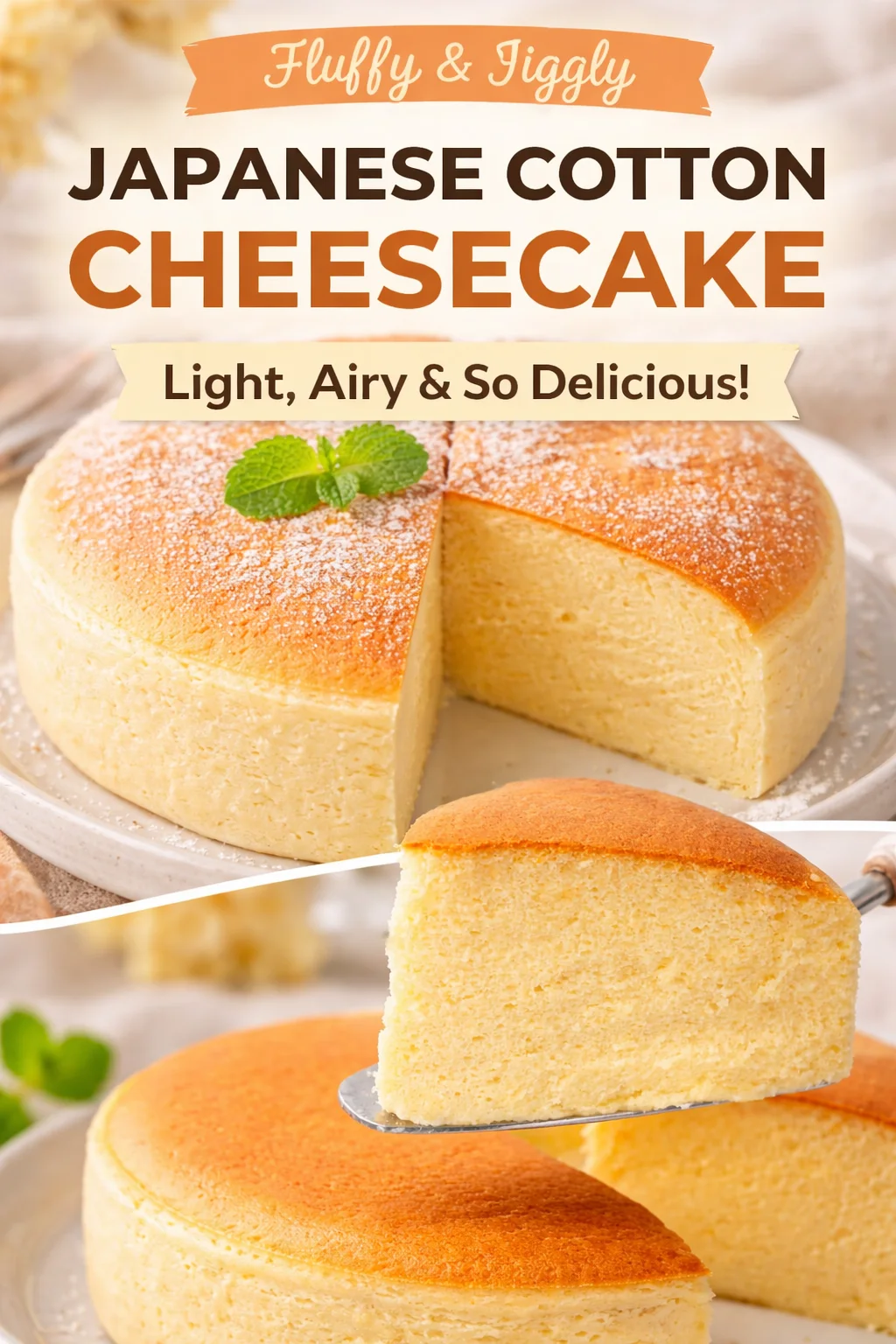

Japanese Soufflé Cheesecake
- Total Time: 90 minutes
- Yield: 8 servings
- Diet: Vegetarian
Description
Light and fluffy Japanese soufflé cheesecake that jiggles like a pillow and melts like warm cream.
Ingredients
- 250g cream cheese, room temperature
- 100g granulated sugar, divided
- 3 large egg yolks
- 60ml milk
- 30g unsalted butter, melted
- 30g all-purpose flour, sifted
- 15g cornstarch, sifted
- 4 large egg whites
- Pinch of salt
- Optional: lemon zest, matcha powder, cocoa for flavor variations
Instructions
- Preheat the oven to 150°C (300°F) and prepare a 7 or 8-inch round pan with a parchment collar.
- In a bowl, beat the cream cheese with half of the sugar until smooth and glossy.
- Add yolks one at a time, followed by milk and melted butter, mixing until combined.
- Sift flour and cornstarch into the mixture, fold gently until no lumps remain.
- In another bowl, whip the egg whites with a pinch of salt to soft peaks, gradually adding the remaining sugar until glossy.
- Fold one third of the meringue into the cream cheese mixture to lighten it, then gently fold in the rest until fully incorporated.
- Pour the batter into the prepared pan and place it in a larger pan filled with hot water (water bath).
- Bake for 50-60 minutes until the top is lightly bronzed and the center wobbles gently.
- Turn off the oven, crack the door, and let the cheesecake cool gradually for 15 minutes before transferring to the counter.
Notes
For best results, always use room temperature ingredients and avoid overmixing the batter.
- Prep Time: 30 minutes
- Cook Time: 60 minutes
- Category: Dessert
- Method: Baking
- Cuisine: Japanese