
This post contains Amazon affiliate links. As an Amazon Associate I earn from qualifying purchases.
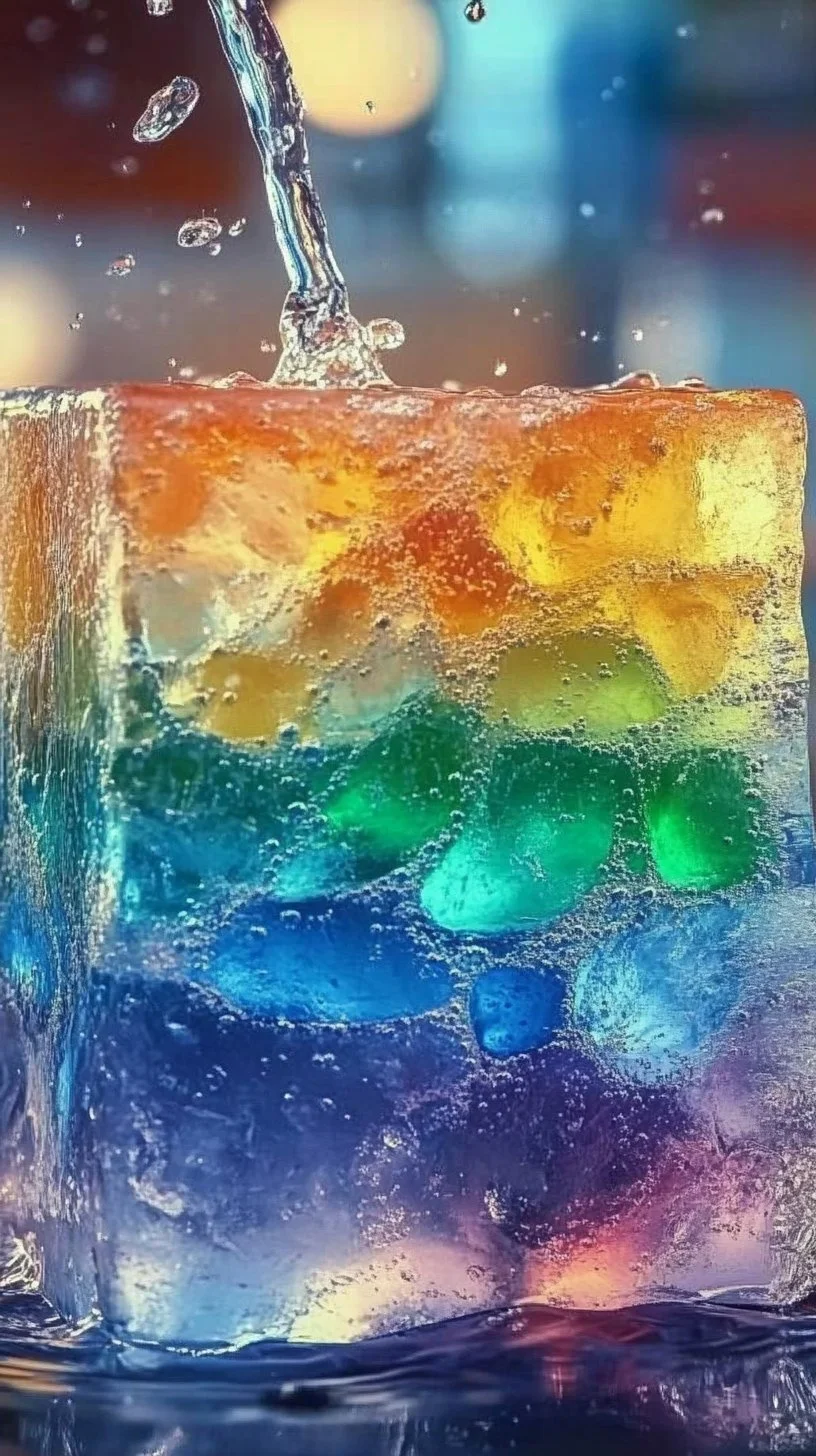
Ice painting is a delightful outdoor activity that combines creativity and science, making it the perfect craft for kids and adults alike. This experiment involves freezing watercolors into ice cubes and then painting with them. The result is a mesmerizing blend of colors that flow and blend together as the ice melts. Not only does this project allow for artistic expression, but it also provides an opportunity to observe the physical changes of ice melting and the mixing of colors, sparking discussions on temperature and states of matter. Gather your friends or family, embrace the beauty of nature, and let your imagination run wild with the vibrant hues of your own ice creations!
Why You’ll Love This Ice Painting Experiment:
- Interactive Fun: Engages participants of all ages and encourages group creativity.
- Educational Experience: Teaches kids about color mixing and the science of melting ice.
- Sensory Experience: The coolness of the ice and the smoothness of the paint offer unique sensory feedback.
- Easy Setup: Requires minimal materials and can be done in various locations like the backyard or a park.
- Visual Delight: Watch as colors blend and flow beautifully, creating stunning art pieces.
Materials:
- Ice cube tray or silicone molds
- Watercolor paints or food coloring
- Water
- Paintbrushes
- Paper (watercolor paper works best)
- A shallow tray or plastic sheet (to catch drips)
- Optional: Salt (to enhance melting effects)
Full Step-by-Step:
Step 1: Prepare the Ice Cubes
- Mix watercolor paint or food coloring with water in individual containers.
- Pour the mixtures into an ice cube tray or silicone molds.
- Freeze for several hours or until solid.
Step 2: Set Up Your Painting Area
- Lay down a shallow tray or plastic sheet to catch any melting water and paint drips.
- Place your paper on top of the tray.
Step 3: Start Painting
- Remove ice cubes from the tray and place them on the paper.
- Use paintbrushes to glide over the ice cubes, allowing the colors to blend as they melt.
- Observe and enjoy the transformation of your artwork as the ice melts.
Step 4: Add Salt (Optional)
- Sprinkle salt on the ice cubes to speed up melting and create interesting patterns and textures.
Tips & Variations:
- Customize Colors: Experiment with different color combinations, or use natural dyes from fruits or vegetables.
- Swap Papers: Try using different types of paper like cardboard or canvas for varied textures.
- Theme Your Art: Create seasonal or themed artworks (e.g., winter scenes or abstract designs).
- Use Larger Ice Blocks: For bigger projects, use larger molds or containers to freeze blocks of ice.
Frequently Asked Questions:
Q1: Can I use regular paints instead of watercolors?
A1: Yes, but it might not create the same effects and could stain surfaces.
Q2: What if I don’t have an ice cube tray?
A2: You can use any container, like plastic cups, as long as they can freeze without leaking.
Q3: How do I store leftover ice cubes?
A3: Keep them in a plastic bag in the freezer until you’re ready to use them again.
Q4: Can this be done indoors?
A4: It’s best done outdoors to minimize mess, but you can use a shallow tray indoors with proper protection.
Suggestions:
- Organize a community ice painting event and encourage participants to showcase their artworks.
- Pair this experiment with a science lesson on states of matter to deepen learning.
- Explore other melting materials, like colored ice pops or frozen fruit, in future projects.
Final Thoughts
Ice painting is a captivating way to merge art with science. As the ice melts, it reveals not just beautiful artwork but also valuable lessons about color and change. We invite you to try this experiment and share your creations or thoughts in the comments below. Your unique art could inspire someone else to jump into the colorful world of ice painting!
Print
Ice Painting Experiment
- Total Time: 190 minutes
- Yield: Variable, depending on the number of ice cubes
- Diet: N/A
Description
Engage in a fun and educational ice painting activity that blends art and science while observing the melting of ice and the mixing of colors.
Ingredients
- Ice cube tray or silicone molds
- Watercolor paints or food coloring
- Water
- Paintbrushes
- Paper (watercolor paper works best)
- A shallow tray or plastic sheet (to catch drips)
- Optional: Salt (to enhance melting effects)
Instructions
- Prepare the Ice Cubes: Mix watercolor paint or food coloring with water in individual containers, then pour the mixtures into an ice cube tray or silicone molds and freeze for several hours until solid.
- Set Up Your Painting Area: Lay down a shallow tray or plastic sheet to catch any melting water and paint drips, then place your paper on top of the tray.
- Start Painting: Remove ice cubes from the tray and place them on the paper. Use paintbrushes to glide over the ice cubes, allowing the colors to blend as they melt, and enjoy watching the transformation of your artwork.
- Add Salt (Optional): Sprinkle salt on the ice cubes to speed up melting and create interesting patterns and textures.
Notes
Customize color combinations and try different types of paper for varied textures. Organizing a community ice painting event can also enhance the experience.
- Prep Time: 10 minutes
- Cook Time: 180 minutes
- Category: Craft
- Method: Freezing
- Cuisine: N/A