
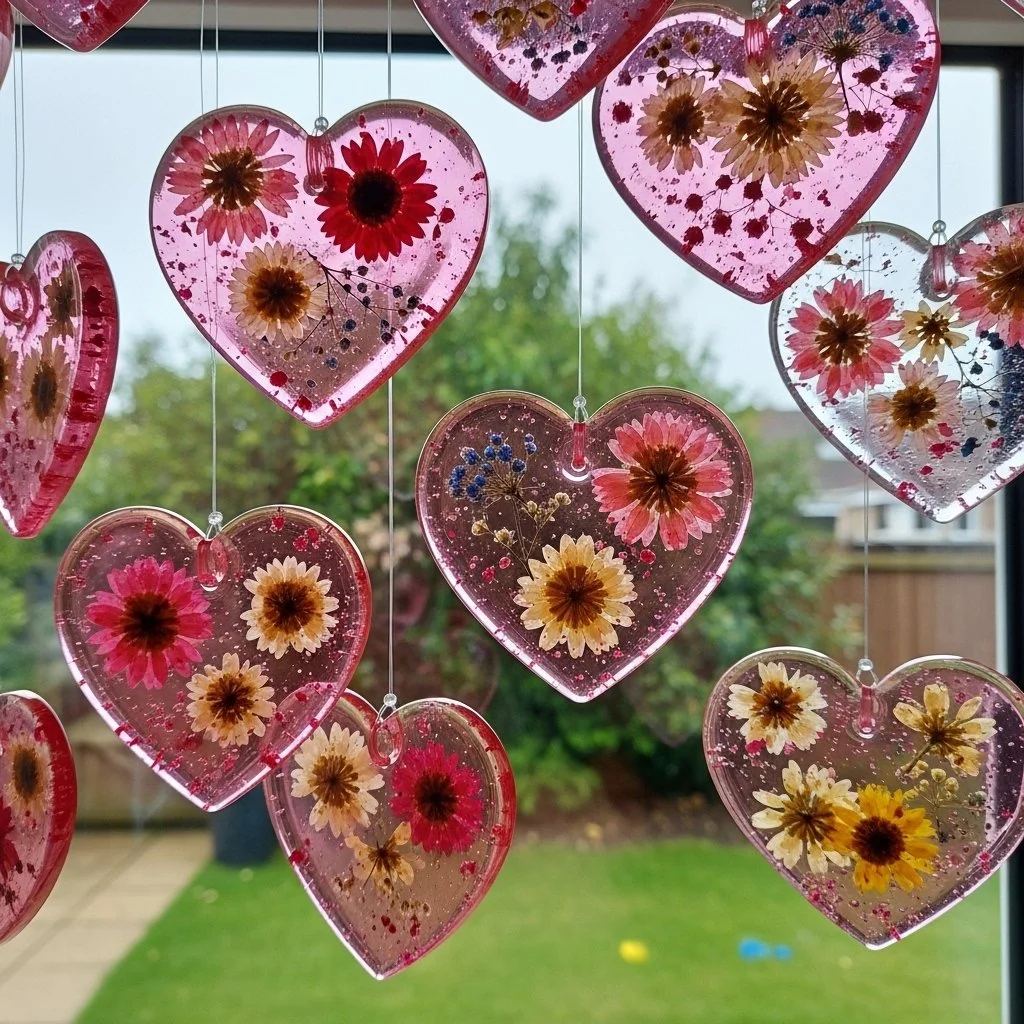
Creating your own DIY bioplastic suncatchers is not only a fun craft activity but also an environmentally friendly project that encourages creativity while reducing waste. Bioplastic is made from natural materials and is biodegradable, making it a great alternative to traditional plastic crafts. With just a few simple ingredients and steps, you can design stunning suncatchers that will illuminate your home with vibrant colors and beautiful designs. In addition to being an enjoyable activity for kids and adults alike, these suncatchers provide an opportunity to discuss sustainability and the importance of reducing plastic use. So, gather your materials, roll up your sleeves, and let’s dive into the captivating world of DIY bioplastic suncatchers.
Why You’ll Love This DIY Bioplastic Suncatchers:
- Eco-Friendly: Made with biodegradable materials.
- Creative Expression: Customize colors and shapes to reflect your style.
- Easy for All Ages: A perfect family project that kids will enjoy.
- Brightens Up Your Space: Suncatchers add a cheerful touch to any window.
- Educational: Learn about bioplastics and sustainability through crafting.
Materials:
- 1 cup corn starch
- 2 tablespoons vinegar
- 2 tablespoons corn oil
- Food coloring (various colors)
- Wax paper or silicone mat
- Cookie cutters or molds
- A pan for cooking
- Stirring spoon
- Baking sheet
- Clear varnish (optional for finishing)
Full Step-by-Step:
Step 1: Prepare the Bioplastic Mixture
- In a pan, combine 1 cup of corn starch with 2 tablespoons of vinegar and 2 tablespoons of corn oil.
- Stir the mixture well until it reaches a smooth consistency.
Step 2: Heat the Mixture
- Place the pan on low heat and continuously stir.
- Feel for a thickening sensation as the mixture begins to change texture.
Step 3: Add Color
- Once thick, remove the pan from the heat and stir in a few drops of food coloring to achieve your desired hue.
- Mix until the color is evenly distributed, enjoying the vibrant transformation.
Step 4: Form the Suncatchers
- Place a sheet of wax paper or a silicone mat on a flat surface.
- Use cookie cutters or molds to outline your shapes, then carefully spoon the bioplastic mixture into them.
- Spread evenly for a smooth finish.
Step 5: Drying Process
- Transfer the filled shapes to a baking sheet and let them dry at room temperature for at least 24 hours, or until completely hard.
Step 6: Finishing Touches
- For a glossy finish, you can add a coat of clear varnish, allowing it to dry completely.
- Hang your creations in a sunny spot and watch them glow!
Tips & Variations:
- Customize Colors: Use different food coloring combinations for unique effects.
- Shape Variety: Experiment with other molds like ice cube trays or flexible silicone molds.
- Add Glitter: Mix in biodegradable glitter for an extra sparkle.
- Suncatcher Features: Incorporate leaves or flower petals before the mixture hardens for added texture.
Frequently Asked Questions:
-
Can I use different types of starch?
Yes, other starches like potato or tapioca can work, but results may vary. -
How do I store unused bioplastic?
Store any leftover bioplastic mixture in an airtight container in the refrigerator for a few days. -
What if my suncatchers don’t dry fully?
Ensure they’re placed in a warm, dry area. If they remain soft, let them dry longer. -
Can I use natural dyes instead of food coloring?
Absolutely! You can use beet juice, spinach, or other natural sources for color.
Suggestions:
- Share your creations on social media with friends and family.
- Collaborate with community groups for larger projects to decorate public spaces.
- Explore other bioplastic crafts like jewelry or decorative ornaments.
Final Thoughts
DIY bioplastic suncatchers are an excellent way to harness creativity while promoting sustainability in crafting. We hope you enjoy making and customizing your suncatchers as much as we do! Please share your versions or leave a comment on your experience with this craft. Happy crafting!
Print
DIY Bioplastic Suncatchers
- Total Time: 1440 minutes
- Yield: 5-10 suncatchers 1x
- Diet: Vegan
Description
Create stunning and eco-friendly bioplastic suncatchers using simple ingredients while promoting sustainability and creativity.
Ingredients
- 1 cup corn starch
- 2 tablespoons vinegar
- 2 tablespoons corn oil
- Food coloring (various colors)
- Wax paper or silicone mat
- Cookie cutters or molds
- A pan for cooking
- Stirring spoon
- Baking sheet
- Clear varnish (optional for finishing)
Instructions
- In a pan, combine 1 cup of corn starch with 2 tablespoons of vinegar and 2 tablespoons of corn oil. Stir well until smooth.
- Place the pan on low heat and stir continuously until the mixture thickens.
- Once thick, remove from heat and stir in food coloring until evenly distributed.
- Place wax paper or a silicone mat on a flat surface; use cookie cutters or molds to shape the bioplastic mixture.
- Transfer filled molds to a baking sheet and let dry at room temperature for at least 24 hours.
- If desired, apply a coat of clear varnish for a glossy finish and allow to dry.
Notes
Feel free to personalize your suncatcher colors and shapes. Options like adding glitter or incorporating natural dyes are encouraged.
- Prep Time: 15 minutes
- Cook Time: 10 minutes
- Category: Crafts
- Method: Crafting
- Cuisine: N/A
Nutrition
- Serving Size: 1 suncatcher
- Calories: 50
- Sugar: 0g
- Sodium: 3mg
- Fat: 4g
- Saturated Fat: 0.5g
- Unsaturated Fat: 3.5g
- Trans Fat: 0g
- Carbohydrates: 6g
- Fiber: 0g
- Protein: 1g
- Cholesterol: 0mg