

The phone rests lightly in your palm while the yarn gathers in a small, quiet pool beside you. In the late afternoon, the hook makes its soft pull through each loop, and the Handmade Hong Kong Crochet Phone Case begins to take shape one steady row at a time. This is a small project, but it gives your hands enough to do without asking your mind to hurry. You can make it beside a cooling mug of coffee, on the couch during a rainy evening, or at the kitchen table while the house settles around you.
Why Handmade Hong Kong Crochet Phone Case Is So Soothing to Crochet
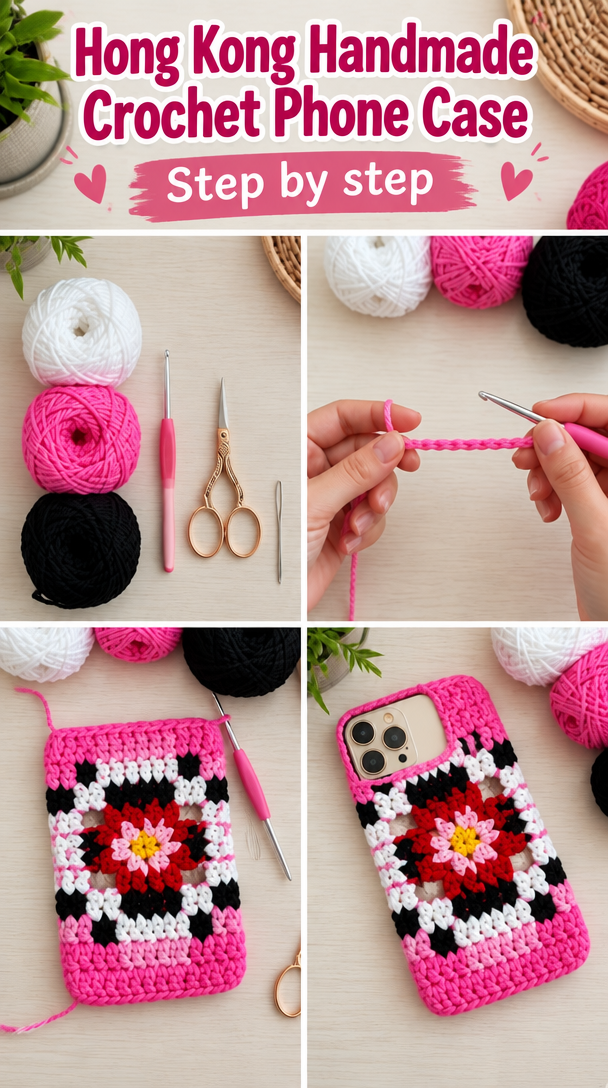
A phone case is a pleasant kind of crochet project because it has a clear purpose and a modest size. You can see the fabric grow quickly, yet the work still asks you to notice each loop. The yarn slides over your finger, the hook clicks softly against the strand, and the repeated stitches create a rhythm that feels easy to return to.
I made this case with a simple rectangle that folds around the phone. The first rows curled a little until the fabric gained enough length to settle across my lap. That small change always feels reassuring. Crochet does not need to look finished right away.
The shape also suits slow days because you can pause almost anywhere. Set it beside the yarn basket when your coffee is ready, then pick it up again without losing the whole thread of the project. A few rows on the front porch in summer feel just as natural as a quiet hour near the lamp on a long fall evening.
Many people find crocheting calming because the hands follow a repeated movement while the eyes check a small, manageable space. This project does not promise perfection, and it does not require a large stretch of free time. It simply gives you a soft, useful thing to make at your own pace.
How Handmade Hong Kong Crochet Phone Case Comes Together
This case uses rows of half double crochet, a stitch that sits between single crochet and double crochet in height. A half double crochet, or hdc, gives you a fabric with enough body to protect a phone while keeping the work flexible. The rows are quick to complete, and the texture stays smooth enough for an everyday accessory.
The pattern uses US crochet terms. UK readers often find these posts too, and the same word can mean a different stitch there, so check your preferred terminology before beginning. The main movement is simple: make a foundation chain, work back and forth in rows, fold the rectangle, and sew the side edges together.
You will use a chain, abbreviated ch, to begin. A chain is a series of loops made by pulling the yarn through the loop on your hook. The turning chain lifts the yarn to the correct height for the next row. Here, the turning chain counts as one chain but does not count as a stitch.
This is an easy project, though the joining step takes a little patience. Allow about two to three evenings, or roughly three to four hours of relaxed work, depending on your tension and how often you pause. You may notice your hands warming up after the first ten minutes, then settling into the same small motion.
Pattern at a Glance
Keep this small overview nearby while you work.
- Skill level: Easy
- Finished size: 4 inches wide by 7 inches tall (10 cm wide by 18 cm tall)
- Gauge: 14 hdc and 10 rows measure 4 inches (10 cm)
- Yarn: Worsted weight (weight 4, medium), 70 yards total, about 42 g
- Hook size: H-8 (5.0 mm)
- Other supplies: Yarn needle, scissors, tape measure, and one stitch marker if desired
- Stitch multiple: Any even number of foundation-chain stitches, with 2 extra chains for the turning chain
- Estimated time: Three to four hours
Gathering Your Materials for Handmade Hong Kong Crochet Phone Case
- Worsted weight (weight 4, medium) cotton yarn, about 70 yards total, or approximately 42 g. Choose yarn sold in skeins of about 170 yards per 100 g skein, so one skein gives you plenty for the case and a little practice.
- A US H-8 (5.0 mm) crochet hook. A half size up or down is fine depending on your tension, though the finished size and fabric will change slightly.
- A yarn needle with a blunt tip for sewing the sides and weaving in the ends.
- Sharp scissors for cutting the yarn cleanly.
- One stitch marker, optional, to mark the first stitch or hold a loop while you pause.
- A tape measure for checking the width, height, and gauge.
- One phone to use as a size reference while you work. A slim cardboard rectangle cut to the same size also works if you prefer to keep your phone away from the yarn.
I recommend cotton because it gives the case a firm, pleasant fabric and handles frequent washing better than many delicate fibers. Lily Sugar’n Cream is one easy-to-find example of worsted weight cotton, but you can use any similar cotton yarn that feels comfortable in your hands. Cotton also suits a project that may rest against a warm phone or travel in a bag.
Make a small gauge swatch before you begin, even for a case this size. Twenty minutes with a swatch can save you from finishing a piece that feels too loose or too tight. If your fabric has fewer than 14 hdc across 4 inches (10 cm), try a smaller hook. If it has more, try a larger hook.
You can safely substitute another worsted weight cotton yarn with a similar yardage and texture. A cotton blend may work too, though it may stretch or soften differently after washing. Acrylic yarn can also make a usable case, but it may feel warmer and can melt under a hot iron, so block it cold or use steam from a distance without pressing the iron onto the fabric.
Step by Step
- Difficulty and stitch multiple. This is an easy pattern worked in rows of half double crochet. The stitch multiple is any even number of foundation-chain stitches, with 2 extra chains for the turning chain. For the sample case, chain 30.
- Make a foundation chain by creating a slip knot and pulling the yarn through the loop 30 times. A slip stitch, or sl st, joins or moves across fabric without adding height, but you will not need it for the main rows. Keep the chain relaxed rather than pulling each loop tight.
- Row 1: Yarn over, insert your hook into the third chain from the hook, yarn over, and pull up a loop. Yarn over again and pull through all three loops on the hook to make one hdc. Work 1 hdc in each remaining chain across. The first two chains count as the turning chain, so you will have 28 hdc.
- Row 2: Chain 2 and turn. The chain 2 is the turning chain and does not count as a stitch. Work 1 hdc in the first hdc and in each hdc across, placing your final hdc into the last stitch. You should have 28 hdc.
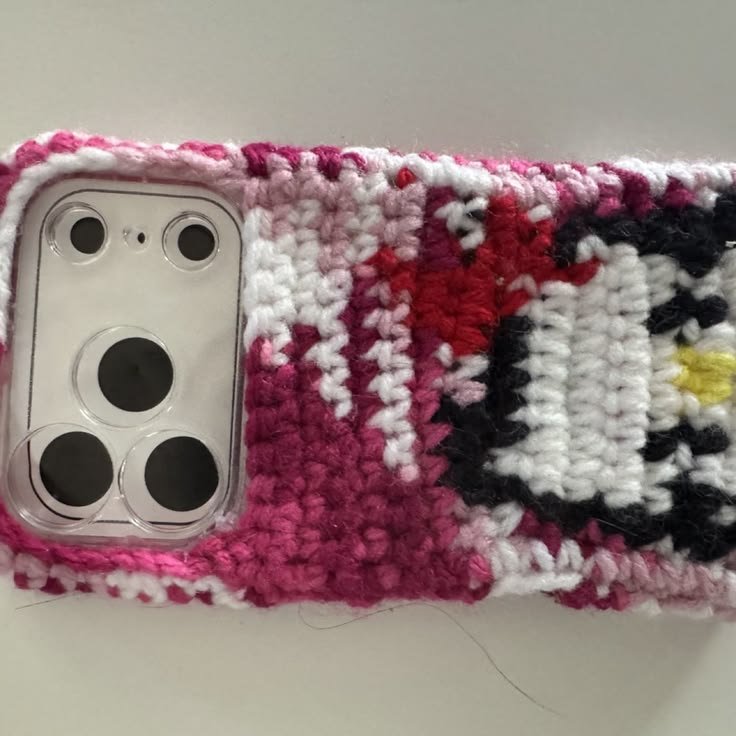
- Repeat Row 2 until you have 35 rows total. Count the rows along one side every few repeats. The fabric may curl at first, but it should relax as the rectangle grows. If you lose count, place a stitch marker through the first stitch of a known row and continue from there.
- Check the size before fastening off. The rectangle should measure about 4 inches wide by 7 inches tall (10 cm by 18 cm). If your rectangle measures differently, do not panic. A small difference usually comes from tension, and the phone itself can help you decide whether the case needs one or two more rows.
- For a mistake several rows below, first identify whether the problem changes the edge or only affects a small patch. If you see a missing stitch at the end of a row, count the stitches across that row and compare it with the expected 28 hdc. To pull back calmly, remove your hook, gently tug the working yarn to loosen the last stitch, and undo one stitch at a time until you reach the error.
- Fasten off after Row 35 by cutting the yarn and pulling the tail through the final loop. Leave a tail about 12 inches (30 cm) long if you want to use it for sewing, or leave a shorter tail and prepare a separate length of yarn for the side seams. The fabric should now look like a soft, even rectangle.
- Fold the rectangle so the two short ends meet and the wrong side faces outward. The wrong side, or WS, is the less visible side of the fabric; the right side, or RS, is the side you want to show. Align the edges carefully, then use a yarn needle and a length of cotton yarn to sew both side seams from bottom to top.
- Use a simple whipstitch or mattress-style stitch through the edge loops. Keep the seam secure but not tight enough to pucker the case. Pause after a few stitches and slide the phone or cardboard template inside to check the fit. Remove the template before finishing the seam.
- When both sides are closed, weave in the ends by threading each tail through nearby stitches on the wrong side. Change direction once or twice, then trim the extra yarn. To weave in the ends means to secure the loose tails inside the fabric so they do not work free with use or washing.
- Turn the case right side out and gently smooth the corners with your fingers. Cotton usually needs little blocking for this project, but you can dampen the case lightly, shape it around the cardboard template, and let it dry flat. Blocking means shaping damp crochet while it dries; avoid stretching the case beyond the phone’s size.
Where Handmade Hong Kong Crochet Phone Case Finds Its Place
The finished case slips easily into a tote, a basket beside the armchair, or a small pocket in your travel bag. The cotton fabric gives the phone a little separation from keys and other hard objects, while the simple shape keeps the case light. It also feels nicer to reach for than a loose phone tucked beneath a stack of receipts.
At home, I like it resting on the side table near the couch. In summer, it can travel to the porch with a book and a glass of iced tea. During cooler fall evenings, the case fits neatly into a coat pocket without adding much bulk.
For a gift, make one in the recipient’s favorite calm color and tuck in a handwritten note. You could pair it with a small notebook, a packet of tea, or a gift card for a coffee shop. Check the phone size first, since cases made to fit one device may not fit a wider model.
Caring for Handmade Hong Kong Crochet Phone Case
Because this version uses cotton, wash it by hand or place it in a mesh bag on a gentle cycle with cold or warm water. Mild detergent works well. Avoid hot water, which can encourage cotton to shrink, and remove the case promptly when the cycle ends.
Press the water out between clean towels rather than twisting the fabric. Shape the case flat and let it dry completely before using it again. Never hang it wet, because the weight of the water can stretch the seams and distort the opening.
If the case needs blocking, dampen it and shape it around a phone-sized cardboard template, then let it dry flat. Do not use a hot iron on cotton unless you know the yarn can tolerate it. If you make a future version with acrylic, remember that acrylic can melt under a hot iron, so block it cold or use steam from a distance.
Store the case folded or lying flat in a breathable drawer rather than hanging it by a strap or seam. Cotton does not need moth protection in the same way wool does, but a clean, dry storage place still helps. If you use wool for another version, cedar or lavender can help discourage moths, and untreated wool may felt while superwash wool usually tolerates machine washing better.
Keep leftover yarn with its label. The label records the fiber, care instructions, and dye lot, which helps you match the color if you make another case later.
Small Ways to Make Handmade Hong Kong Crochet Phone Case Your Own
Try a thicker worsted weight yarn if you want a sturdier, slightly larger case. The fabric will become denser and the finished measurements may increase, so measure the rectangle against your phone rather than relying only on the row count. A thinner yarn will create a lighter fabric with more drape, but it may offer less padding.
Color changes can stay very simple. Work five rows in one shade and five rows in another for quiet color blocks, or use one color for the rectangle and a contrasting shade for the side seams. If you change colors, carry the unused yarn only when the distance is short, and weave in each tail securely when the color section ends.
For a firmer fabric, try single crochet, or sc, instead of half double crochet. Single crochet makes shorter, denser rows, so the case will take longer and may feel more protective. You will need to adjust the number of rows because the finished height will grow more slowly.
You can resize the case by changing the starting chain while keeping an even number of foundation-chain stitches plus the 2 turning chains. Add or remove rows to change the height. Measure often, especially if your phone has a thick protective cover that needs to fit inside.
A narrow border of single crochet can frame the opening, though it may make the top slightly firmer. You could also add a small crocheted loop and a wooden ring for carrying, but keep any attachment short and secure. Small parts and long loose stitches are unsafe for children under three, so avoid treating this as a child’s toy or leaving detachable pieces within reach.
Frequently Asked Questions About Handmade Hong Kong Crochet Phone Case
Can I use a different hook size for this crochet phone case?
Yes, you can use a hook half a size up or down, but your gauge and finished size will change. A smaller hook makes a denser fabric that may hold its shape better, while a larger hook creates a softer, more flexible case. Make a small swatch first, then compare the fabric with your phone before committing to all 35 rows.
What yarn can I substitute for the cotton?
You can substitute another worsted weight, weight 4, medium cotton yarn with similar yardage. A cotton blend may work, though it may stretch more after washing. Acrylic is another option, but it behaves differently around heat and may feel less breathable. Keep the yarn weight close and check the gauge instead of matching the brand exactly.
What should I do if I find a mistake several rows later?
If the case still measures correctly and the mistake does not affect the edge, you may leave it as part of the handmade fabric. If a stitch count changed, pull back gently to the problem row and repair it there. Insert the hook into the last correct loop, undo one stitch at a time, and recount 28 hdc before continuing.
Is this phone case suitable for a beginner?
Yes, this is a suitable beginner project if you know how to make a chain and basic half double crochet. The rectangle uses the same stitch across every row, so you can focus on even tension and counting. The side seams are the fiddliest part, but checking the phone inside the case makes the joining process much clearer.
How long does it take to crochet the case?
Plan on about three to four hours of relaxed crochet time. You may finish faster if your tension is steady, or take several evenings if you enjoy stopping often. The rows themselves move quickly, while checking the measurements, sewing the seams, and weaving in the ends add a little extra time.
Does this pattern use US or UK crochet terms?
This pattern uses US crochet terms. The main stitch is half double crochet, or hdc, which has a different meaning in UK terminology. If you normally follow UK patterns, check a conversion chart before beginning so you choose the correct stitch and do not accidentally make a taller or shorter fabric.
Take the Time You Need
Let the case grow at the speed your hands prefer. Some rows will look especially even, while another may carry a small wobble that reminds you the work came from a person, not a machine. Set it down when you need to, return when you feel ready, and let the quiet rhythm be enough for this little piece of making.
—META—
SEO Title: Handmade Hong Kong Crochet Phone Case
Meta Description: Make a calm, useful Handmade Hong Kong Crochet Phone Case with cotton yarn, simple rows, and gentle guidance for a slow afternoon.
Slug: handmade-hong-kong-crochet-phone-case
Category: Crochet
Tags: crochet, phone case, cotton crochet, beginner crochet, slow making
Image Alt Text: A cotton crochet phone case beside a crochet hook and yarn
A close view of half double crochet rows forming a phone case
A finished handmade crochet phone case resting on a cozy chair
Pinterest Title: Handmade Crochet Phone Case
Pinterest Description: Make a simple cotton phone case with steady half double crochet rows. A useful small project for quiet evenings and thoughtful gifts.

Handmade Hong Kong Crochet Phone Case
- Total Time: 240 minutes
Description
Create a calming and useful phone case using simple half double crochet stitches. This easy project is perfect for relaxed crafting sessions.
Materials
- Worsted weight (weight 4, medium) cotton yarn, about 70 yards total (approximately 42 g)
- US H-8 (5.0 mm) crochet hook
- Yarn needle with a blunt tip
- Sharp scissors
- One stitch marker (optional)
- Tape measure
- One phone for size reference or a slim cardboard rectangle cut to size
Instructions
- Make a foundation chain by creating a slip knot and pulling the yarn through the loop 30 times.
- Row 1: Yarn over, insert your hook into the third chain from the hook, yarn over, and pull up a loop. Yarn over again and pull through all three loops on the hook to make one hdc. Work 1 hdc in each remaining chain across for a total of 28 hdc.
- Row 2: Chain 2 and turn. Work 1 hdc in the first hdc and in each hdc across, placing your final hdc into the last stitch.
- Repeat Row 2 until you have 35 rows total.
- Check the size before fastening off. The rectangle should measure about 4 inches wide by 7 inches tall.
- Fasten off after Row 35 by cutting the yarn and pulling the tail through the final loop, leaving a tail about 12 inches long if you want to use it for sewing.
- Fold the rectangle so the two short ends meet and the wrong side faces outward. Align the edges carefully, then sew both side seams from bottom to top using a yarn needle and a length of cotton yarn.
- Weave in the ends by threading each tail through nearby stitches on the wrong side, then trim the extra yarn.
- Turn the case right side out and gently smooth the corners with your fingers.
Notes
Ensure to make a small gauge swatch before starting to get the right fit. Cotton yarn is recommended for a sturdy fabric.
- Active Time: 240 minutes