

Baking soda painting is a delightful craft project that combines art and science, making it a perfect activity for both children and adults. This unique technique offers a playful twist on traditional painting by incorporating the fizzy reaction of baking soda with vinegar, creating stunning visual effects. The vibrant colors, bubbling textures, and tactile experience will ignite creativity and provide hours of fun. Whether you’re looking for a fun family activity, an engaging classroom project, or a relaxing way to express your artistic side, baking soda painting is a fantastic option. Plus, it’s easy to set up, uses materials you likely already have at home, and encourages experimentation with colors and designs. Dive into this captivating project and unleash your inner artist!
Why You’ll Love This Baking Soda Painting Project:
- Interactive fun: Watch your art come to life with bubbling reactions!
- Easy cleanup: Made with kitchen ingredients, so cleanup is a breeze.
- Educational: A hands-on way to learn about chemical reactions.
- Versatile: Customize with different colors and designs.
- Stress relief: A soothing creative outlet.
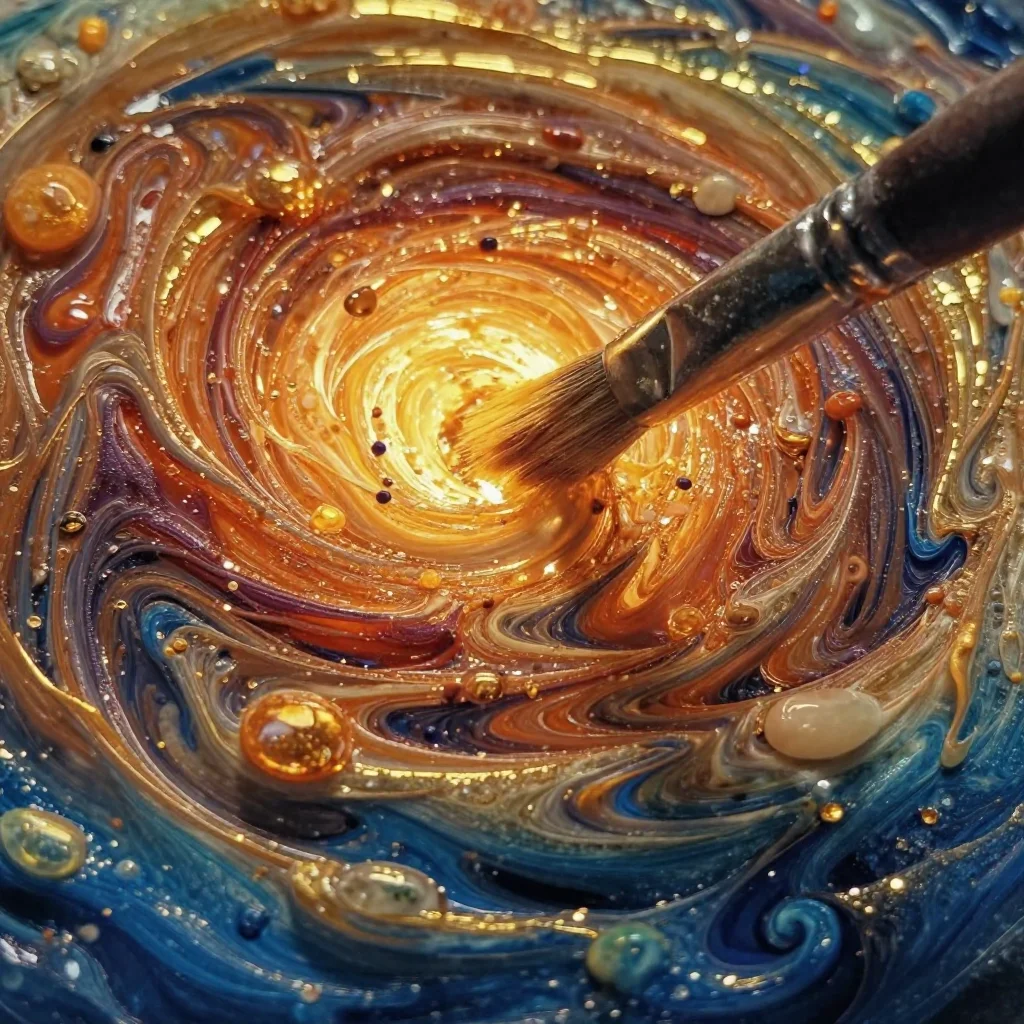
Materials:
- Baking soda
- White vinegar
- Food coloring or liquid watercolors
- Paintbrushes
- Paper (watercolor or thick paper recommended)
- Small containers or cups for mixing
- Pipettes or spoons (optional for precise application)
- Towels or a surface protector
Full Step-by-Step:
1. Prepare Your Workspace
- Find a flat surface where you can work comfortably.
- Lay down towels or a protective cover to catch spills and drips.
2. Create Your Baking Soda Base
- Spread a layer of baking soda on your paper. Aim for an even layer to allow for a smooth painting surface.
- Use your hands or a spoon to distribute it evenly.
3. Mix Your Colors
- In separate small containers, mix white vinegar with food coloring or liquid watercolors.
- Aim for vibrant colors; you can create different shades by combining colors.
4. Paint with the Vinegar Mixture
- Use a pipette or spoon to drop the colored vinegar onto the baking soda.
- Watch as the mixture fizzes and bubbles, creating beautiful, textured effects.
5. Continue Layering
- Experiment with different colors. Layering will give depth and richness to your project.
- As the fizzing subsides, you can gently tilt the paper to spread the colors.
6. Let it Dry
- Allow your masterpiece to dry completely before handling it. This may take a few hours.
7. Display Your Artwork
- Once dry, find a special place to showcase your unique creation!

Tips & Variations:
- Customize Colors: Experiment with different combinations and ratios of food coloring.
- Pattern Creativity: Use different brushes or sponges for various textures.
- Add Salt: Sprinkling salt on the wet baking soda can create interesting patterns as it absorbs moisture.
- Different Papers: Try using different types of paper for varied effects.
Frequently Asked Questions:
Q1: Can I use other liquids instead of vinegar?
- A: Yes, while vinegar is ideal for this project, you can try using lemon juice or even carbonated water for a different reaction.
Q2: What should I do if I don’t have food coloring?
- A: You can use watercolor paint or diluted acrylics instead to achieve colorful results.
Q3: Will the colors fade over time?
- A: The colors may fade if exposed to direct sunlight for extended periods. Store your art in a cool, dry place.
Q4: Is this project safe for young children?
- A: Yes, this project is safe. However, adult supervision is recommended to prevent any spills and ensure safe handling of materials.
Suggestions:
- Consider hosting a baking soda painting party with friends or family for a unique gathering experience.
- Use this project as a teaching tool at home or in the classroom to discuss chemical reactions and color theory.
- Encourage kids to create themed artworks for holidays or seasons.
Final Thoughts
Baking soda painting is not just a craft—it’s an experience that combines creativity, science, and fun! We hope you enjoy trying out this activity and see how your artwork transforms. Feel free to share your versions or leave your comments below; we’d love to hear about your creations!
Print
Baking Soda Painting
- Total Time: 15 minutes
- Yield: 1 artwork
- Diet: N/A
Description
Explore the fun of baking soda painting, an engaging craft project that combines art and science for all ages.
Ingredients
- Baking soda
- White vinegar
- Food coloring or liquid watercolors
- Paintbrushes
- Paper (watercolor or thick paper recommended)
- Small containers or cups for mixing
- Pipettes or spoons (optional for precise application)
- Towels or a surface protector
Instructions
- Prepare Your Workspace
- Create Your Baking Soda Base
- Mix Your Colors
- Paint with the Vinegar Mixture
- Continue Layering
- Let it Dry
- Display Your Artwork
Notes
Customize colors and try different papers for varied effects. Supervise young children during the project.
- Prep Time: 15 minutes
- Cook Time: 0 minutes
- Category: Craft
- Method: Art Project
- Cuisine: N/A