
Introduction
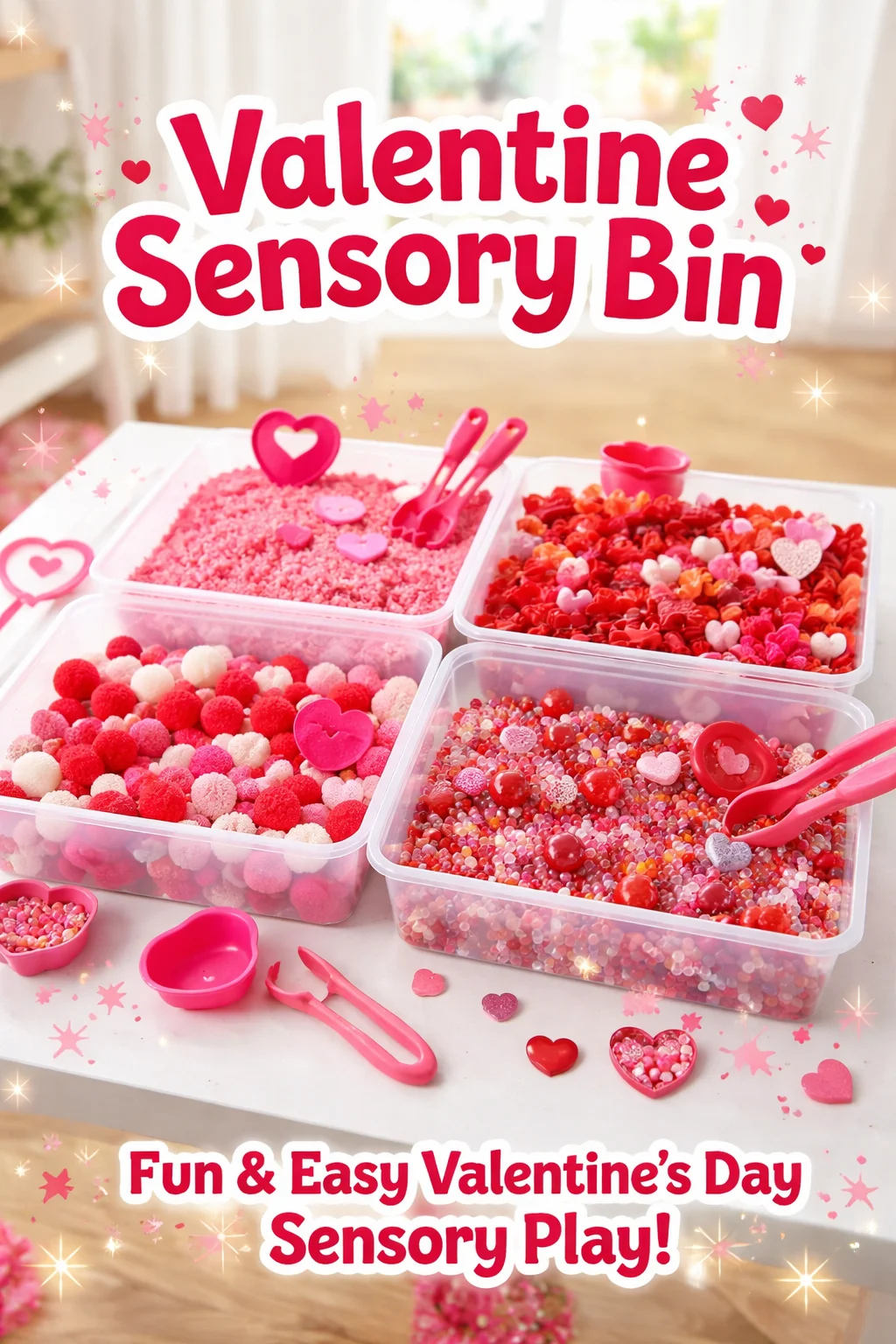
Valentine’s Day is the perfect occasion to create something special and sensory-rich for your little ones. A Valentine’s Day sensory bin is an engaging, hands-on craft that allows children to explore textures, colors, and shapes while celebrating love and friendship. This delightful activity not only enhances fine motor skills but also provides a sensory experience that can be calming and soothing. The beauty of a sensory bin lies in its open-ended nature—children can play, learn, and create through exploration. Plus, it’s a wonderful way to bond with your child, creating lasting memories while they dive into a world of sensory play. Let’s get started on crafting your own Valentine sensory bin!
Why You’ll Love This Valentine Sensory Bin:
- Promotes Sensory Exploration: Engage multiple senses through touch, sight, and smell.
- Enhances Fine Motor Skills: Perfect for toddlers and preschoolers to develop coordination.
- Encourages Creativity: Open-ended play that allows children to use their imagination.
- Simple & Quick Setup: Easy to put together with minimal prep.
- Seasonal Fun: Celebrate Valentine’s Day in an educational and entertaining way.
- Customizable: Tailor the bin to your child’s interests or preferences.
Materials
- Base:
- Dry rice, kinetic sand, or shredded paper
- Fillers:
- Heart-shaped beads
- Colorful pom poms
- Faux rose petals
- Plastic valentine figurines
- Tools:
- Scoops or spoons
- Small containers or cups
- Extras:
- Essential oils for scent (like vanilla or lavender)
- Glitter (optional)
Full Step-by-Step
Step 1: Choose Your Base
- Start by selecting your sensory bin base.
- Pour your chosen material (rice, sand, or paper) into a large, shallow container. Aim for a depth of about 2-3 inches.
Step 2: Add Fillers
- Gently mix in the heart-shaped beads, pom poms, and faux rose petals into the base.
- Allow children to feel the textures as they dig their hands through the materials.
Step 3: Incorporate Tools
- Introduce scoops, spoons, or small containers for pouring and measuring.
- This adds another layer of learning and fun as they practice fine motor skills.
Step 4: Optional Enhancements
- Add a few drops of essential oil for a pleasant scent.
- Sprinkle glitter for visual appeal (if preferred).
Step 5: Playtime!
- Encourage children to explore, create, and play with the materials provided.
- Ask open-ended questions to spark imagination and conversation.
Tips & Variations
- Swap Materials: Substitute rice with dried beans or pasta for a different texture.
- Theme Variations: Add elements related to your child’s interests (like dinosaurs or fairies).
- Scent Options: Instead of essential oils, consider using scented playdough or potpourri.
- Color Themes: Use specific colored materials (like only red and pink) for a cohesive look.
Frequently Asked Questions
1. Can I use food items in the sensory bin?
- Yes, but be cautious of allergies. Consider using dried pasta, chickpeas, or popcorn as a base.
2. How do I clean up afterward?
- Use a small vacuum for easy cleanup. Bread crumbs often just need to be swept up, while rice might require a little more.
3. Is this bin suitable for younger children?
- Yes, but always supervise closely to ensure no small items are ingested.
4. How long will this sensory bin last?
- It can last for weeks if kept dry and stored properly. However, it’s best to refresh materials periodically.
Suggestions
- Consider adding Valentine-themed books or songs to enhance the experience.
- Explore combining your sensory bin with a Valentine craft, such as making cards or decoration.
Final Thoughts
Crafting a Valentine sensory bin is not only a fun activity but also a wonderful way to engage your child in meaningful play. Remember, every sensory bin is unique depending on the materials and creativity you choose to incorporate. We’d love to hear about your experiences! Share your versions or leave a comment below. Happy crafting!
Print
Valentine’s Day Sensory Bin
- Total Time: 10 minutes
- Yield: 1 sensory bin
- Diet: N/A
Description
Create a delightful Valentine’s Day sensory bin that promotes exploration, enhances fine motor skills, and encourages creativity through engaging hands-on play.
Ingredients
- Base: Dry rice, kinetic sand, or shredded paper
- Fillers: Heart-shaped beads, colorful pom poms, faux rose petals, plastic valentine figurines
- Tools: Scoops or spoons, small containers or cups
- Extras: Essential oils for scent (like vanilla or lavender), glitter (optional)
Instructions
- Choose Your Base: Pour your chosen material (rice, sand, or paper) into a large, shallow container.
- Add Fillers: Mix in the heart-shaped beads, pom poms, and faux rose petals.
- Incorporate Tools: Introduce scoops, spoons, or small containers for pouring and measuring.
- Optional Enhancements: Add essential oil for scent or sprinkle glitter for visual appeal.
- Playtime: Encourage children to explore and create with the materials provided.
Notes
Create lasting memories through sensory play while celebrating love and friendship. Always supervise young children during play.
- Prep Time: 10 minutes
- Cook Time: 0 minutes
- Category: Craft
- Method: Creative Play
- Cuisine: N/A
Nutrition
- Serving Size: 1 child
- Calories: 0
- Sugar: 0g
- Sodium: 0mg
- Fat: 0g
- Saturated Fat: 0g
- Unsaturated Fat: 0g
- Trans Fat: 0g
- Carbohydrates: 0g
- Fiber: 0g
- Protein: 0g
- Cholesterol: 0mg