
- Introduction
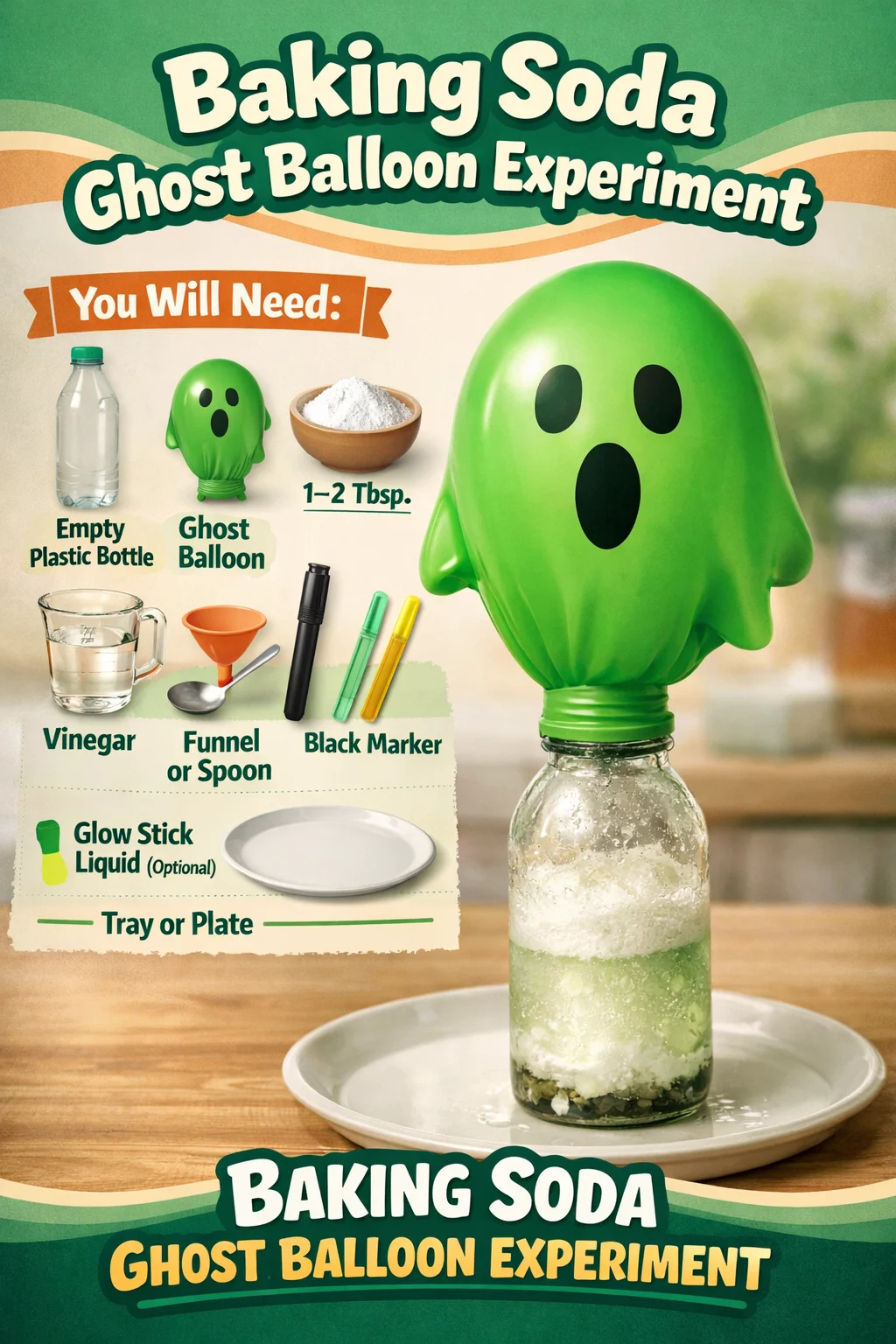
Are you looking for a fun and educational way to ignite your creativity? The Baking Soda Ghost Balloon Experiment is a playful yet intriguing project that blends science with art, perfect for kids and adults alike. This spooky science experiment combines the excitement of balloons with the fascinating reaction of baking soda and vinegar, resulting in a ghostly balloon that expands and comes to life! Not only will this project entertain, but it also offers an opportunity to learn about chemical reactions, making it a wonderful addition to any Halloween-themed activities or science fair events. Join us as we explore the steps to create your very own baking soda ghost balloon, while having a blast along the way!
- Why You’ll Love This Baking Soda Ghost Balloon Experiment:
- Simple and quick to set up with readily available materials.
- Engaging and visually striking results.
- Educational opportunity to learn about chemical reactions.
- Hands-on activity suitable for all ages.
- Perfect for Halloween parties, science fairs, or classroom settings.
- Materials:
- 1 balloon (white is ideal for the ghost effect)
- 2 tablespoons of baking soda
- 1 tablespoon of vinegar
- 1 plastic funnel
- Optional: black marker (for ghostly eyes)
- Optional: food coloring (for added effect)
- Full Step-by-Step:
Step 1: Prepare the Balloon
- Using the plastic funnel, carefully pour 2 tablespoons of baking soda into the balloon.
- Be gentle to avoid making a mess!
Step 2: Add Vinegar
- In a separate container, measure out 1 tablespoon of vinegar.
- Tip: You can add a few drops of food coloring to the vinegar for a colorful twist.
Step 3: Combine Ingredients
- Carefully stretch the mouth of the balloon over the container with vinegar, ensuring the baking soda stays inside the balloon.
- Once in position, release the baking soda into the vinegar.
Step 4: Watch the Fun Unfold!
- Stand back and watch your balloon inflate as the baking soda reacts with vinegar, producing carbon dioxide gas.
- Add some ghostly eyes with a black marker if desired!
Step 5: Display Your Creation
- Once fully inflated, hang your ghost balloon as a decoration or simply enjoy the results of your experiment.
- Tips & Variations:
- Customize your ghost by using different colors of balloons and markers for unique designs.
- Swap out baking soda for other safe ingredients like powdered sugar for a different reaction.
- Use a larger container for an even bigger reaction!
- Frequently Asked Questions:
Q1: What happens if I use too much baking soda?
A1: Using too much baking soda may cause an overflow, leading to a mess. Stick to the recommended amount for best results.
Q2: Can I use something other than vinegar?
A2: Vinegar is essential for the reaction. You may experiment with other acids, such as lemon juice, but results can vary.
Q3: Is this experiment safe for young children?
A3: Yes, this experiment is safe, but adult supervision is recommended to monitor the reaction and assist with handling materials.
Q4: How long will the balloon stay inflated?
A4: The balloon will stay inflated as long as the gas from the reaction is contained. However, it will eventually deflate after a few hours.
- Suggestions:
- Turn this experiment into a party activity by having participants decorate their ghost balloons.
- Host a ghost balloon race to see whose balloon can float the highest or last the longest.
- Combine with spooky stories for a memorable Halloween night!
- Final Thoughts
The Baking Soda Ghost Balloon Experiment is a delightful mix of science and creativity that provides endless fun and learning. We hope you enjoy creating your ghostly balloons! Remember to share your versions and leave a comment about your experience below. Happy experimenting!
Print
Baking Soda Ghost Balloon Experiment
- Total Time: 5 minutes
- Yield: 1 balloon 1x
- Diet: N/A
Description
A fun and educational experiment combining baking soda and vinegar to create a ghostly balloon, perfect for Halloween!
Ingredients
- 1 balloon (white ideal for ghost effect)
- 2 tablespoons of baking soda
- 1 tablespoon of vinegar
- 1 plastic funnel
- Optional: black marker (for ghostly eyes)
- Optional: food coloring (for added effect)
Instructions
- Using the plastic funnel, carefully pour 2 tablespoons of baking soda into the balloon.
- In a separate container, measure out 1 tablespoon of vinegar. Tip: Add a few drops of food coloring for a colorful twist.
- Carefully stretch the mouth of the balloon over the container with vinegar, ensuring the baking soda stays inside the balloon, then release the baking soda into the vinegar.
- Stand back and watch your balloon inflate as the baking soda reacts with vinegar, producing carbon dioxide gas.
- Once fully inflated, hang your ghost balloon as a decoration or enjoy the results of your experiment.
Notes
Customize your ghost with different balloon colors and markers. Swap baking soda for other safe ingredients like powdered sugar for varied reactions.
- Prep Time: 5 minutes
- Cook Time: 0 minutes
- Category: Science Experiment
- Method: Chemical Reaction
- Cuisine: N/A
Nutrition
- Serving Size: 1 balloon
- Calories: 0
- Sugar: 0g
- Sodium: 0mg
- Fat: 0g
- Saturated Fat: 0g
- Unsaturated Fat: 0g
- Trans Fat: 0g
- Carbohydrates: 0g
- Fiber: 0g
- Protein: 0g
- Cholesterol: 0mg