
This post contains Amazon affiliate links. As an Amazon Associate I earn from qualifying purchases.
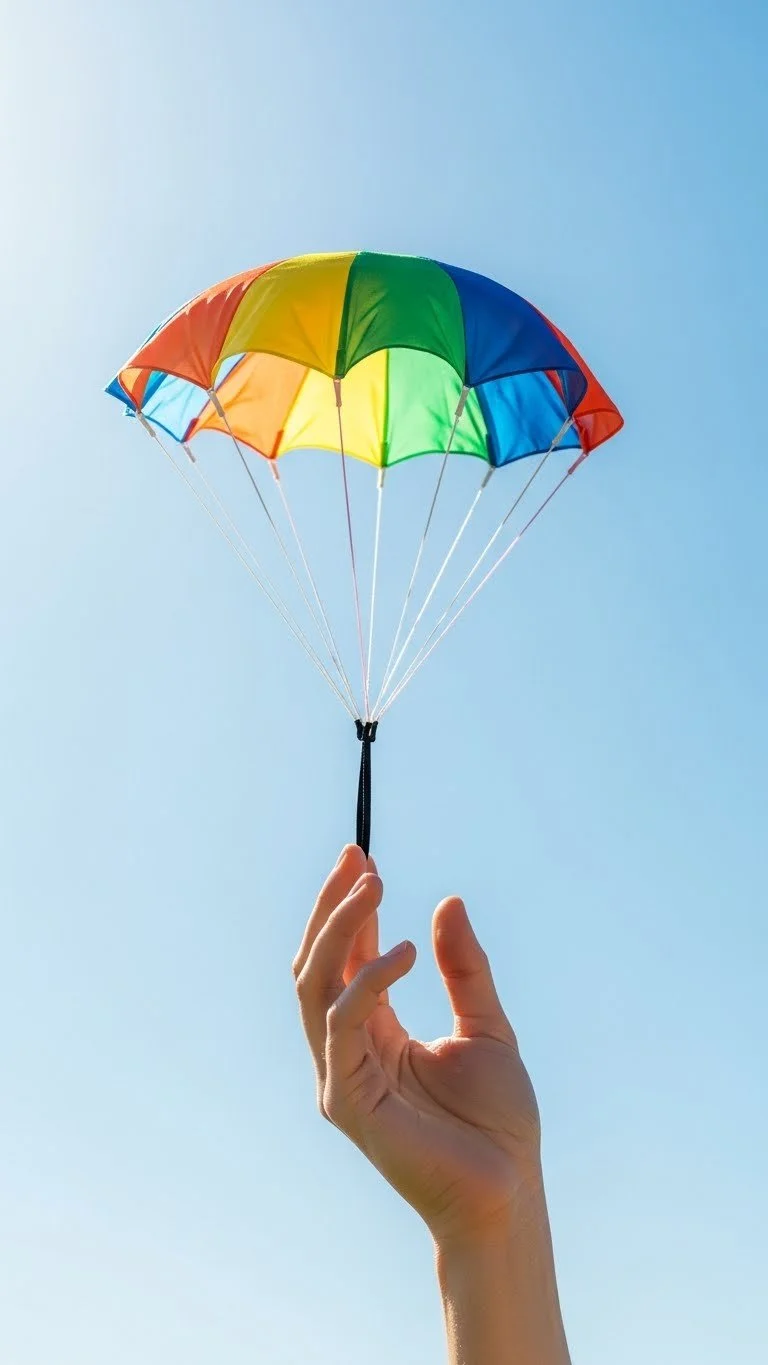
Creating a DIY mini parachute is not only an entertaining project but also a great way to explore basic principles of physics while engaging in hands-on crafting. This simple craft can be a perfect activity for kids and adults alike, offering a fun-filled afternoon of creativity, exploration, and learning. Using everyday materials, you can design your own mini parachute to take to the skies, providing insight into how parachutes work. Whether you’re looking for a school project, a fun weekend activity, or a way to spark interest in science, this DIY mini parachute will keep you captivated.
Why You’ll Love This DIY Mini Parachute:
- Educational Fun: Learn the principles of gravity and air resistance.
- Simple Materials: Easy to find ingredients around your home.
- Creativity Unleashed: Customize your parachute design and colors.
- Group Activity: Perfect for family, friends, or classroom settings.
- Instant Gratification: Quick to make with immediate results.
Materials:
- Plastic bag (grocery or sandwich-sized)
- String or yarn (approximately 2-3 feet)
- Small lightweight object (like a toy figure or a washer)
- Scissors
- Tape or glue (optional)
Full Step-by-Step:
1. Prepare the Parachute Canopy
- Cut the plastic bag into a square, about 18 inches on each side.
- Ensure the edges are smooth and even for consistent airflow.
2. Cut the Strings
- Cut four equal lengths of string, each about 2-3 feet long.
- These will attach the canopy to the weight of your parachute.
3. Attach the Strings to the Canopy
- Evenly space the strings around the edges of the plastic square.
- Use tape or glue to secure each piece of string to the corners of the canopy.
4. Attach the Weight
- Gather the four strings at their ends and tie them together.
- Attach your small lightweight object to the knot using tape or glue.
5. Test Your Parachute
- Hold the parachute high and let it drop!
- Observe how it opens up and floats down slowly.
Tips & Variations:
- Try using different types of bags or materials for the canopy to see which works best.
- Adjust string lengths for more or less stability.
- Experiment with various weights to see how they affect the descent speed.
Frequently Asked Questions:
Q1: What type of plastic bag works best for this project?
A: Grocery bags or sandwich bags work well due to their lightness and durability.
Q2: How can I make my parachute land slower?
A: You can increase the size of the canopy for more surface area, which will create more lift.
Q3: Can I use heavier objects as weights?
A: Yes, but keep in mind, they may cause the parachute to descend quickly instead of gracefully.
Q4: What if my strings keep getting tangled?
A: Try to keep the strings as straight as possible when tying them to the canopy, or use fewer strings tied to a central point.
Suggestions:
- Create a parachute race by making several parachutes with different designs.
- Incorporate a decorating session where everyone can personalize their canopies.
- Use this project as a springboard to discuss fundamental physics concepts such as aerodynamics and gravity.
Final Thoughts
This DIY mini parachute project is a delightful blend of creativity and science, allowing you to explore the workings of parachutes while having a great time. We encourage you to try your own unique designs and variations. Don’t forget to share your parachute creations or leave a comment about your experience! Happy crafting!
Print
DIY Mini Parachute
- Total Time: 10 minutes
- Yield: 1 mini parachute
- Diet: N/A
Description
A fun and educational DIY mini parachute project that explores principles of physics while engaging in hands-on crafting.
Ingredients
- Plastic bag (grocery or sandwich-sized)
- String or yarn (approximately 2-3 feet)
- Small lightweight object (like a toy figure or washer)
- Scissors
- Tape or glue (optional)
Instructions
- Cut the plastic bag into a square, about 18 inches on each side.
- Cut four equal lengths of string, each about 2-3 feet long.
- Evenly space the strings around the edges of the plastic square and secure with tape or glue.
- Gather the four strings at their ends and tie them together, attaching the small lightweight object.
- Hold the parachute high and let it drop to observe its floating.
Notes
Experiment with different materials and weights to see variations in performance. Be creative with your parachute designs!
- Prep Time: 10 minutes
- Cook Time: 0 minutes
- Category: Craft
- Method: Crafting
- Cuisine: N/A