
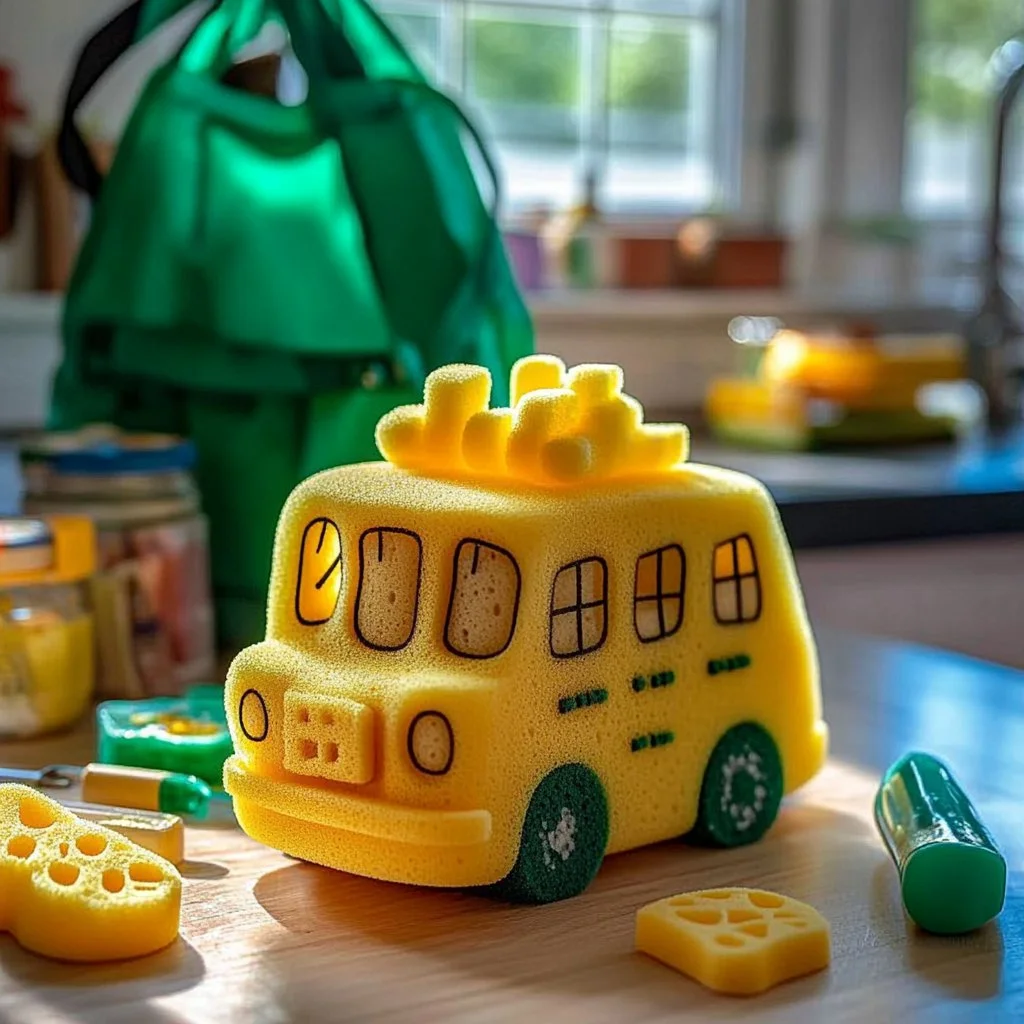
School bus science experiments are a delightful and creative way to engage students in learning about science through hands-on activities. These experiments not only spark curiosity but also provide a fun and interactive experience that encourages teamwork and problem-solving skills. Kids can discover how various materials interact with each other while enjoying the playful theme of a school bus. In this guide, you will find a fantastic craft recipe that combines education and fun, making learning unforgettable. So, buckle up and get ready for an exciting ride into the world of science!
Why You’ll Love This School Bus Science Experiment:
- Engaging and fun for all ages
- Encourages collaboration and teamwork
- Teaches scientific concepts in a tangible way
- Provides opportunities for creativity and customization
- Incorporates sensory experiences and critical thinking
- Perfect for classrooms, home schooling, or weekend activities
Materials:
- Yellow construction paper
- Scissors
- Glue stick
- Black markers
- Small plastic wheels or bottle caps
- Googly eyes (optional)
- Craft foam or felt (optional for added texture)
- Ruler and pencil
Full Step-by-Step:
1. Create the Bus Shape
- Cut-Out: Using yellow construction paper, cut out a rectangular shape for the body of the bus. Typical dimensions could be 12 inches long by 5 inches wide.
- Windows & Front: Cut out smaller rectangles for windows and the front windshield. You may also add curves for a bus shape.
2. Attach Wheels
- Positioning: Take your small plastic wheels or bottle caps. You will need four of them.
- Glue: Attach the wheels to the bottom of the bus body. Ensure they are evenly spaced for balance.
3. Add Details
- Draw Windows: Use black markers to draw window outlines on your bus.
- Googly Eyes: For added fun, glue googly eyes above the windshield for a friendly look.
4. Personalization
- Decorate: Let the kids add their own creative touches using craft foam or felt to create different decorations.
5. Experimentation
- Scientific Inquiry: Discuss with kids how buses move and the physics behind motion as they play with their creations.
Tips & Variations:
- Color Customization: Use different colored papers to create a multi-colored bus.
- Material Swaps: Instead of plastic wheels, use cardboard for a more eco-friendly option.
- Add Sound: Incorporate small bells or crank mechanisms to create sounds for the bus.
Frequently Asked Questions:
Q1: Can I use other colors for the bus?
A1: Yes! Feel free to use different colored construction paper to make unique buses.
Q2: What if I don’t have googly eyes?
A2: You can draw eyes or use buttons as alternatives.
Q3: How can I make the wheels spin?
A3: Use a small dowel rod to secure the wheels in a way that they can rotate.
Q4: Is this suitable for younger children?
A4: Yes! Just ensure that scissors are used under adult supervision and adapt the task according to age.
Suggestions:
- Pair this activity with a lesson on transportation and its importance.
- Organize a racing contest with the buses to analyze speed and motion.
- Create a classroom display to showcase each child’s unique bus craft.
Final Thoughts
This school bus science experiment offers a perfect blend of creativity and education. It’s not just a craft; it’s an opportunity for exploration and discussion about how things work in the real world. We encourage you to share your versions or any modifications you’ve made in the comments below. Let’s drive curiosity together!
Print
School Bus Science Experiment
- Total Time: 45 minutes
- Yield: Multiple school bus crafts
- Diet: N/A
Description
A fun and engaging science activity that allows kids to create their own school bus and explores concepts of motion and collaboration.
Ingredients
- Yellow construction paper
- Scissors
- Glue stick
- Black markers
- Small plastic wheels or bottle caps
- Googly eyes (optional)
- Craft foam or felt (optional)
- Ruler and pencil
Instructions
- Cut out a rectangular shape for the body of the bus from the yellow construction paper (12 inches long by 5 inches wide).
- Cut out smaller rectangles for windows and the front windshield.
- Use small plastic wheels or bottle caps and glue them to the bottom of the bus body, ensuring they are evenly spaced.
- Draw window outlines with black markers and glue googly eyes above the windshield.
- Let kids personalize their buses with craft foam or felt.
- Discuss the physics of motion while playing with their creations.
Notes
Encourage kids to use different colored papers for customization and to explore how to make the wheels spin securely.
- Prep Time: 15 minutes
- Cook Time: 30 minutes
- Category: Craft
- Method: Crafting
- Cuisine: N/A